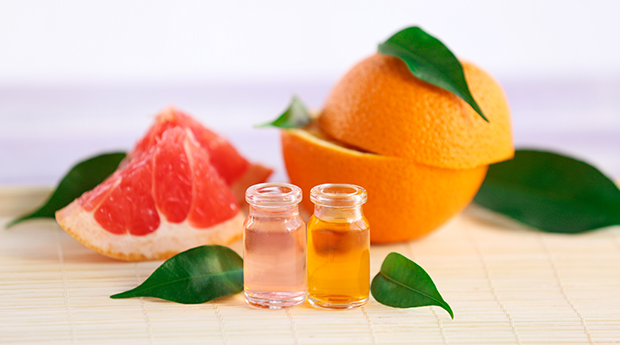
Long associated with dieting and weight loss, grapefruit has so much more going for it than that! Originally known as the “forbidden fruit of Barbados” when it was first described in the 18th century, grapefruit is packed full of nutrients and anti-cancer potential. Interestingly, grapefruit essential oil has even more healing applications than the slightly bitter fruit. In this article you will discover just how healing a single bottle of grapefruit essential oil can be.
Grapefruit (Citrus paradisi, or fruit of paradise) belongs to the Rutaceae (citrus) family of plants. The essential oil is mechanically cold pressed from the rind of the fruit. Grapefruit contains oil glands which are located much deeper in the peel than in other citrus fruits, and this makes it a bit more difficult to extract the oil. The oil yield is also far less than with other citrus fruit essential oils. These factors combined mean that grapefruit oil is a bit more expensive than lemon or orange. Grapefruit oil smells exactly like the fruit − fresh and zesty but also slightly bitter.
Historical Use of Grapefruit
Grapefruit has been used for hundreds of years for its many healing benefits. Our ancestors used it as an antiseptic wash for sore throats and for skin blemishes. It is well known as a dieter’s best friend for its ability to dissolve fat and cellulite. Being a natural diuretic, it assists the body in getting rid of excess water. In Ayurvedic medicine, grapefruit is a remedy for digestive problems as it stimulates the gall bladder, and assists in the secretion of bile. Grapefruit even helps to reduce depression with its light citrus aroma. It boosts immunity, is a potent antioxidant, soothes inflammation, increases metabolism, is a natural kidney, liver, and lymphatic cleanser, and helps to heal urinary tract infections and yeast overgrowth.
Grapefruit Oil and its Beneficial Phytochemicals
The most abundant phytochemical (all natural, plant-based chemical) in grapefruit essential oil is limonene, at about 88 to 95%. Limonene has a startling amount of research which indicates its usefulness against cancer and other diseases. Indeed, research has been carried out on limonene since the 1970s.
The phytochemical profile from grapefruit essential oil is rather impressive. All of these phytochemicals are backed by research indicating their usefulness for varied health conditions. Besides limonene, grapefruit oil also contains beta-myrcene, linalool, alpha-pinene, beta-caryophyllene, citronellol, farnesol and trace amounts of several other phytochemicals.
7 Ways Grapefruit Essential Oil Can Boost Your Health
Much research has been carried out on the healing properties of grapefruit essential oil, as well as the fruit. Here are some of the best research studies on the health and healing effects of grapefruit essential oil:
#1. Anti-Inflammatory
A number of studies make reference to the anti-inflammatory properties of grapefruit. One of the latest, a 2016 research study reported in the Pakistan Journal of Pharmaceutical Sciences, stated that the anti-inflammatory properties of grapefruit juice was helpful for the management of inflammatory bowel disease when given to animals. While that study was on grapefruit juice, what is in the juice is also in the essential oil!
A 2010 Chinese study found that limonene, the major phytochemical within grapefruit, had a number of inhibitory effects on several pro-inflammatory substances in the body.
#2. Anti-Cancer
A 2016 Egyptian study stated that grapefruit has a high polyphenol content. Polyphenols are active anti-cancer, antioxidant phytochemicals. These researchers also found that grapefruit was protective to genes and DNA, and has immune stimulating properties.
A 2014 study reported in Cancer Prevention Research by American and English researchers found that limonene had a positive effect on the breast tumors of early-stage breast cancer patients. Limonene caused a significant decrease in adrenal steroid hormones, important for those whose tumors are driven by estrogen, a hormone that is created, in part, in the adrenal gland. Limonene also decreased a protein known as cyclin D1, involved with the regulation of cells. Cyclin D1 is overexpressed in more than 50% of breast tumors.
In 2011, Canadian researchers studied the effects of apigenin, a flavone found in (amongst other foods) grapefruit, on four different breast cancer cell lines. They found that apigenin had the potential to slow or prevent breast cancer cell progression.
A 2012 mouse study undertaken by Mexican researchers examined pregnant mice given toxic levels of cadmium, followed by grapefruit. They discovered that the grapefruit conferred genotoxic protection, meaning it protected the DNA of the mice from the toxicity of cadmium. This may have applications for cancer prevention as well, since DNA damage is part of the process of carcinogenesis (generation of cancer). It is well known that all of the effects of carcinogenic (cancer causing) chemicals on the production of tumors can be accounted for by the DNA damage they cause. Much of this is from errors introduced into the DNA during the effort by cells to repair this damage.
An older 1996 study found that the flavonoid content of grapefruit inhibited cell proliferation (rapid growth) and development of mammary tumors in rats with triple negative breast cancer. This type of breast cancer is so named due to its lack of estrogen or progesterone receptors, or by the overexpression of the HER2 oncoprotein.
#3. Antiseptic, Antibacterial, Antifungal
2011 research published in International Journal of Food Science & Technologyfound that essential oil of grapefruit showed a wide spectrum of antimicrobial activity against some very nasty bugs. Tested were the following:
- Staphylococcus aureus (golden staph), an opportunistic and virulent bug causing wide-ranging infections
- Enterococcus faecalis, which causes intestinal flu
- Staphylococcus epidermidis, a skin infection usually picked up in hospitals
- Escherichia coli, which causes various infections and bloody diarrhea
- Salmonella typhimurium, responsible for food poisoning and gastroenteritis
- Serratia marcescens, which can cause infections in the urinary tract, respiratory tract, wounds, and the eye
- Proteus vulgaris, which causes recurrent urinary tract infections
Grapefruit oil was able to inhibit all of these nasty bugs.
2009 research by German scientists investigating a number of essential oils found grapefruit oil to be effective against six strains of Staphylococci. These include Multi Resistant Staphylococcus Aureus (MRSA), four Streptococcus strains, and three Candida strains including Candida krusei. Researchers noted that “essential oils represent a cheap and effective antiseptic topical treatment option even for antibiotic-resistant strains as MRSA and antimycotic-resistant Candida species.”
#4. Weight Loss
Grapefruit has been used for decades for weight loss purposes. The “Grapefruit Diet” or Hollywood diet has been around since at least the 1930s and involves having a grapefruit or grapefruit juice along with each meal for 12 days. Does grapefruit really help with weight loss though? Several small studies would indicate it does…
Japanese research on rats and mice published in 2014 indicated grapefruit oil had a stimulatory effect on the sympathetic nervous system. The animals given grapefruit oil exhibited an increase in fat breakdown, increased body temperature (thermogenesis) and a decrease in food intake, all of which led to a loss of weight.
A randomized, controlled study on actual people, published in the Journal of Medicinal Food in 2006 by American researchers, found that consumption of fresh grapefruit did lead to weight loss. An average of 3.5 lbs (1.6 kg) was lost by study participants after 12 weeks. Insulin resistance was also improved for the participants.
#5. Reduces Blood Pressure
In 2009, Mexican researchers found that grapefruit extract and juice decreased blood pressure in those suffering from hypertension and also for normal, healthy patients.
#6. Reduces Cholesterol Levels
Pakistani researchers reported in 2016 the results of an animal study. The test subjects were fed both orange and grapefruit and subsequently showed “a highly significant” decline in cholesterol, LDL levels, and triglycerides, as well as a rise in HDL (the “good” cholesterol).
In addition, French researchers in 2012 discovered that naringin, a flavonoid from grapefruit, had a protective effect on the vascular systems of mice fed a high-fat diet. It reduced “bad” cholesterol concentrations, and even changed genes associated with atherosclerosis progression.
#7. Stress, Fatigue, Depression
Interesting 2015 research reported in Cancer Prevention Research found that limonene administration caused a significant decrease in adrenal steroid hormones. When a person is under stress, the adrenal glands produce large quantities of the steroid hormone cortisol. When cortisol is elevated for long periods of time, this has the potential to cause a variety of health complaints ranging from impaired immunity to chronic fatigue, sleep disturbances, and depression.
Grapefruit has been found to be useful for easing stress and lifting moods in other ways as well. Japanese researchers reported in 2001 that grapefruit essential oil inhibits an enzyme known as acetylcholinesterase (AChE). The role of AChE is to break down a neurotransmitter in the brain known as acetylcholine. Because grapefruit inhibits the enzyme AchE, this causes acetylcholine levels to rise, and its duration of action increases. This then results in mood improvement, less fatigue, decreased brain fog, less stress and depression.
Conflicting Information About Grapefruit and Estrogen
One 2007 American study done at the University of Hawaii found that eating grapefruit might increase the risk of breast cancer in postmenopausal women. Grapefruit contains something called coumarins and furanocoumarins. These substances can inhibit an intestinal enzyme known as cytochrome P450. This enzyme is involved with the breakdown and metabolism of estrogen in the body, and also many pharmaceutical drugs. Researchers found that eating one-quarter or more of a grapefruit per day was significantly associated with an increased risk of breast cancer.
To counter that research, however, a newer 2014 study undertaken by researchers at University of North Carolina at Greensboro found that naringenin, a flavanone (a type of flavonoid) found in grapefruit inhibited two breast tumor cell proliferation pathways in MCF-7 breast cancer cells. This line of cells is estrogen-receptor positive, progesterone-receptor positive, infiltrating ductal carcinoma (one of the most common types of breast cancer). Naringenin combined with the estrogen-blocking drug tamoxifen quite effectively impaired proliferation and induced apoptosis (programmed cell death) in tumor cells. So in this study, naringenin from grapefruit was beneficial for breast tumors and did not deactivate tamoxifen. In fact, naringenin helped tamoxifen perform its job of blocking estrogen.
What about grapefruit essential oil? Will it inhibit cytochrome P450 like grapefruit juice does? Keep reading!
The Grapefruit Juice Effect
The enzyme cytochrome P450 also plays a huge role in the breakdown of drugs in the body and it does this primarily in the intestines. Many drugs come with a warning that grapefruit juice should be avoided when taking these particular drugs for this very reason. Grapefruit is known to increase the bioavailability of more than 85 pharmaceutical drugs.
That MAY not be the case for grapefruit essential oil, however, because unless it is ingested, it does not pass through the intestinal tract. Grapefruit oil that is inhaled or applied to the skin would probably not affect the intestinal P450 enzyme system. Until more is known, however, if taking one of the drugs that advises grapefruit juice should be avoided − make sure not to take grapefruit oil internally by mouth, or avoid it altogether.
How Not to Get a Grapefruit Sunburn
Be aware that applying grapefruit essential oil to your skin and then going out into the sunlight might result in a sunburn. The furocoumarins in grapefruit can make it more susceptible to UV radiation. If applying grapefruit oil (or other citrus oils) to the skin, avoid sunlight exposure to those areas for 12 hours.
A Final Word of Caution When Using Grapefruit Essential Oil
It’s a very good idea if using essential oils for health improvement, to know where your essential oils come from. In particular ensure that the plant or fruit has not been sprayed with pesticides, or other harmful chemicals. Pesticide residue will concentrate in the rind of citrus fruit and since this is where the essential oil comes from, any essential oil from non-organic citrus fruit would be harmful rather than helpful. Please avoid any essential oils from companies that do not tell you how the fruit for their oils is grown. High quality organic essential oils are always your best bet!

[-] Sources and References
- Yield and Chemical Composition of Citrus Essential Oils as Affected by Drying Pretreatment of Peels
- Anti-inflammatory Effects of Citrus Sinensis L., Citrus Paradisi L. and Their Combinations
- Limonene Suppresses Lipopolysaccharide-Induced Production of Nitric Oxide, Prostaglandin E2, and Pro-inflammatory Cytokines in RAW 264.7 Macrophages
- In Vitro Studies on Phytochemical Content, Antioxidant, Anticancer, Immunomodulatory, and Antigenotoxic Activities of Lemon, Grapefruit, and Mandarin Citrus Peels
- Plasma Metabolomic Profiles of Breast Cancer Patients after Short-term Limonene Intervention
- Exposure of Breast Cancer Cells to a Subcytotoxic Dose of Apigenin Causes Growth Inhibition, Oxidative Stress, and Hypophosphorylation of Akt
- Protective Effect of Grapefruit Juice on the Teratogenic and Genotoxic Damage Induced by Cadmium in Mice
- DNA Damage and Repair and Their Role in Carcinogenesis - Molecular Cell Biology, 4th ed.
- Inhibition of Human Breast Cancer Cell Proliferation and Delay of Mammary Tumorigenesis by Flavonoids and Citrus Juices
- Essential Oil Composition and Antibacterial Activity of the Grapefruit (Citrus Paradisi. L) Peel Essential Oils Obtained by Solvent-free Microwave Extraction: Comparison with Hydrodistillation
- The Battle Against Multi-resistant Strains: Renaissance of Antimicrobial Essential Oils as a Promising Force to Fight Hospital-Acquired Infections
- Olfactory Stimulatory with Grapefruit and Lavender Oils Change Autonomic Nerve Activity and Physiological Function
- The Effects of Grapefruit on Weight and Insulin Resistance: Relationship to the Metabolic Syndrome
- Effect of Citrus Paradisi Extract and Juice on Arterial Pressure Both in Vitro and in Vivo
- Antihyperlipidemic Effects of Citrus Sinensis, Citrus Paradisi, and Their Combinations
- Naringin, the Major Grapefruit Flavonoid, Specifically Affects Atherosclerosis Development in Diet-induced Hypercholesterolemia in Mice
- Inhibition of Acetylcholinesterase Activity by Essential Oil from Citrus Paradisi
- Prospective Study of Grapefruit Intake and Risk of Breast Cancer in Postmenopausal Women: the Multiethnic Cohort Study
- A Naringenin-Tamoxifen Combination Impairs Cell Proliferation and Survival of MCF-7 Breast Cancer Cells
- Medicinal Importance of Grapefruit Juice and its Interaction with Various Drugs




 alls of your grocery store (organic vegetables/fruits and grass-fed meats) and prepare your own food whenever possible.
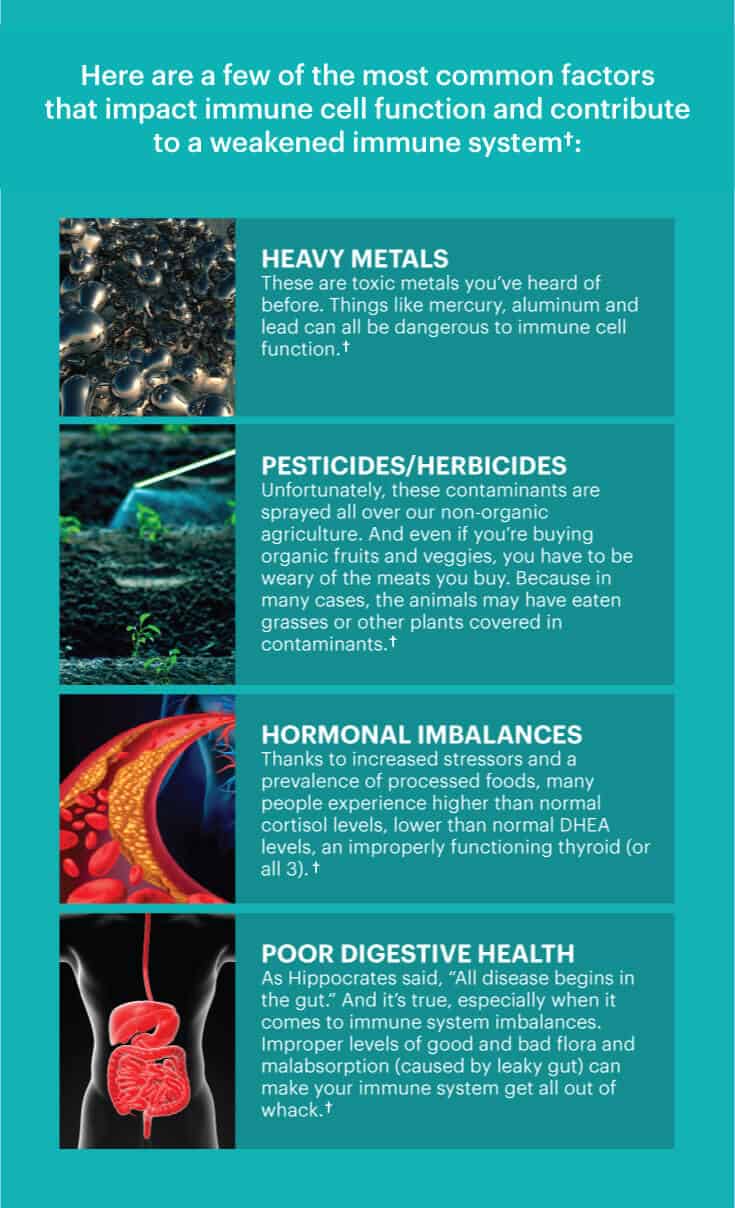
 Bone broth is one of the best natural sources of collagen, a type of protein that’s needed to form tissue that makes up the lining of the GI tract. Collagen supports the lining of the digestive tract. And it can work wonders for leaky gut. Increased intake can help strengthen and normalize mucus membranes in the GI lining, close tiny junctures and stop undigested food particles and chemicals from leaking out of the gut into the bloodstream.