Showing posts with label probiotics. Show all posts

Sunday, 27 November 2016

What Is Butyric Acid? 6 Butyric Acid Benefits You Need to Know About

Butyric acid - Dr. Axe
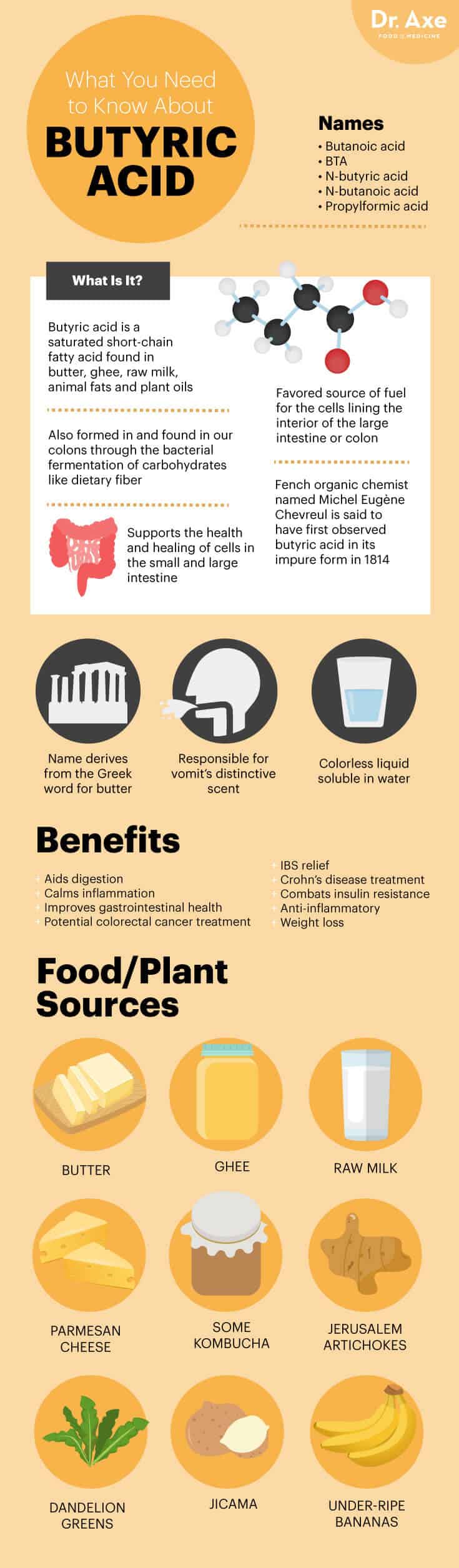
You may not have realized it, but chances are you’ve consumed something called butyric acid before, and believe it or not, your body produces it as well. It’s true — butyric acid, also known as butanoic acid or BTA, is a saturated short-chain fatty acid found in butterghee, raw milk, animal fats and plant oils. It’s also formed in and therefore found in our colons through the bacterial fermentation of carbohydrates like dietary fiber. Butyric acid supports the health and healing of cells in the small and large intestine. It’s also the favored source of fuel for the cells lining the interior of the large intestine or colon. (1)
The BTA content in ghee is one of the main components that provides all those wonderful ghee benefits. Consuming butyric acid in foods like ghee or in supplement form has been shown to aid digestion, calm inflammation and improve overall gastrointestinal health. People who suffer from irritable bowl syndrome and Crohn’s disease have been shown to benefit from butyric acid, and studies show promise when it comes to diabetes and insulin resistance too. BTA is also known as a potential anticancer fatty acid, especially when it comes to colon cancer. (2)
I’m excited to tell you more about this extremely interesting fatty acid and how it can improve your overall health — and how it already is without you even knowing it!

6 Butyric Acid Health Benefits 

1. Weight Loss
Butyric has gained popularity for its ability to possibly help people shed unwanted pounds. Scientific evidence has shown that people who are obese (as well as people who have type II diabetes) have a different composition of gut bacteria. Short chain fatty acids are believed to play a positive role along with probiotics in preventing metabolic syndrome, which almost always includes abdominal obesity. (3)
Short chain fatty acids like butyric acid help regulate the balance between fatty acid synthesis and the breakdown of fats. In a 2007 animal study, after five weeks of treatment with BTA, obese mice lost 10.2 percent of their original body weight, and body fat was reduced by 10 percent. Butyric acid was also shown to improve insulin sensitivity, which helps guard against weight gain. (4)
Most of the evidence for linking BTA supplementation specifically to weight loss is based on animal research so far, but it does show positive effects in treating obesity naturally.
2. Potential Colorectal Cancer Treatment
Multiple studies have shown butyric acid’s potential ability to fight cancer, especially cancer in the colon. It’s actually shown an ability to “modify nuclear architecture” and induce the death of colon cancer cells. This is likely a huge reason why increased fiber intake has been linked with less colon cancer since higher fiber intake can typically equate to more butyric acid present in the colon. (5)
According to 2011 research published in the International Journal of Cancer, “the role of short chain fatty acids, particularly butyrate, in colon cancer therapy has been extensively studied, and its tumor suppressive functions are believed to be due to their intracellular actions.” This laboratory study further shows that butyrate treatment led to an increase in the programmed cell death of colon cancer cells. (6)
According to a 2014 scientific article, it looks like “a high-fiber diet protects against colorectal tumors in a microbiota- and butyrate-dependent manner.” (7) What does that mean? It means that most likely getting plenty of fiber isn’t what fends off cancer on its own. It’s eating a diet rich in healthy fiber AND having enough good gut flora AND enough BTA present in the body that can provides cancer defense in the colon.
3. Irritable Bowel Syndrome (IBS) Relief
In general, butyric acid can have a very positive impact on gut health, which greatly affects the health of your entire body. Short chain fatty acids like butyric acid can help keep the gut ling healthy and sealed, which prevents leaky gut syndrome and all kinds of issues linked to a leaky gut like IBS symptoms. This is a type of digestive disorder that’s characterized by a group of common symptoms, including changes in bowel movements and abdominal pain.
A scientific article published in the Gastroenterology Review looked at butyric acid’s potential as an IBS therapy based on numerous studies conducted to date. Researchers conclude that “butyrate supplementation seems to be a promising therapy for IBS.” (8)
Some notable 2012 research included in the article was a double-blind, randomized, placebo-controlled study involving 66 adult patients with IBS who were given microencapsulated butyric acid at a dose of 300 milligrams per day or a placebo in addition to receiving standard therapy. After four weeks, researchers found that subjects who took the butyric acid had a statistically significant decrease in the frequency of abdominal pain during bowel movements. After 12 weeks, subjects in the BTA group experienced decreases in the frequency of spontaneous abdominal pain, postprandial abdominal pain, abdominal pain during defecation and urge after defecation. (9)
4. Crohn’s Disease Treatment
Crohn’s disease is a type of inflammatory bowel disease (IBD) characterized by inflammation of the lining of the GI tract, abdominal pain, severe diarrhea, fatigue, weight loss and malnutrition. Again, this is a disease related to a leaky gut. A 2005 study published in the journal Alimentary Pharmacology & Therapeutics was small, but it found that “oral butyrate is safe and well tolerated, and may be effective in inducing clinical improvement/remission in Crohn’s disease.” (10)
Another 2013 study showed that butyric acid can reduce pain during bowel movements and inflammation in the gut, both of which are extremely helpful to Crohn’s disease and other inflammatory bowel diseases. (11)
Short chain fatty acids like BTA truly play a crucial role in the maintenance of gut barrier integrity, which can help ward off a leaky gut and avoid an IBDs like Crohn’s.
5. Combats Insulin Resistance
A 2009 study published by the American Diabetes Foundation looked at butyric acid’s effect on the regulation of insulin sensitivity in mice consuming a diet high in fat. The study concluded that “dietary supplementation of butyrate can prevent and treat diet-induced insulin resistance in mouse.” Researchers also found that the mice treated with butyrate did not have any increase in body fat and the butyrate supplement actually appeared to prevent obesity. (12)
Researchers agree that more studies need to be conducted to further explore how butyrate affects insulin levels in humans, but it looks promising so far, which could have profound effects on treating diabetes.
6. General Anti-inflammatory Effects
Studies have shown the broad anti-inflammatory powers of butyric acid. It’s believed that not only can BTA help inflammatory conditions, but it might also have a helpful ability to manage immune responses. (13) As I’ve said before, inflammation is the root of most diseases, which is why having more butyric acid in your body could likely benefit many people with various health problems with inflammatory roots.
What you need to know about butyric acid - Dr. Axe


What Is Butyric Acid?

Butyric acid is a colorless liquid that is soluble in water. Scientifically speaking, its structure is four carbon fatty acids with the molecular formula C4H8O2 or CH3CH2CH2COOH. Butyric acid has other chemical names, including butanoic acid, n-butyric acid, n-butanoic acid and propylformic acid. (14) Along with acetic and propionic acids, it account for approximately 83 percent of the short chain fatty acids in the human colon.
On its own, BTA has an unpleasant smell and bitter, pungent taste, with a somewhat sweet aftertaste. It occurs as esters in animal fats and plant oils. What’s an ester? An ester is an organic compound that reacts with water to produce alcohols and organic or inorganic acids. Esters derived from carboxylic acids like butyric acid are the most common type of esters.
BTA is generated in the large intestine together with other short chain fatty acids from the fermentation of dietary carbohydrates, specifically prebiotics like resistant starches, fructooligosaccharides and other dietary fiber. (15)
The names “butyric acid” and “butyrate” are commonly used interchangeably even in scientific articles and studies. Technically, they have slightly different structures, but they’re still very similar. Butyrate or butanoate is the traditional name for the conjugate base of butyric acid. Put simply, butyrate is almost identical to butyric acid, but it just has one less proton. Judging by scientific studies, they appear to be pretty much identical in their health benefits.

How to Find Butyric Acid and Dosage Info

An increased intake of highly processed, low-fiber, high-sugar foods has been shown to decrease levels of butyrate production in the large intestine. Supplementing with butyric acid might be a good idea if you’re unable to obtain enough of it from your diet.
A butyric acid supplement is typically available at health stores or online. It’s most commonly found in capsule or tablet form. Dosage recommendations vary by product. Some recommend one to six capsules/tablets after meals while others suggest taking one capsule three times daily with meals, a few hours before or after taking other medications. It’s best to read product labels carefully and consult your doctor if you feel unsure.
If you prefer to get your butyric acid from foods then the following are good choices: butter, ghee, raw milk and parmesan cheese. When looking for a high-quality butter, raw and cultured is best. This might be hard to find, however. Organic butter from grass-fed cows is your next best option. Some properly made kombucha (a fermented tea drink) can also contain butyric acid.
To naturally increase the butyric acid production in your body, you can up your intake of healthy prebiotics like raw Jerusalem artichokes, raw dandelion greens, raw jicama and under-ripe bananas. Scientific research has found that fecal butyrate levels can vary greatly among individuals, but eating a diet high in resistance starches (like an under-ripe banana) typically increases butyric acid levels and may help maintain colorectal health. (16)

Butyric Acid History and Interesting Facts

Butyric acid gets its name from the Greek word βούτῡρον, which means butter. Butyric acid makes up about 3 percent to 4 percent of butter. Ever smell rancid butter? That unpleasant odor is the result of the chemical breakdown of the BTA glyceride. While on the topic of gross odors, butyric acid is actually responsible for human vomit’s distinctive scent too.
During his extremely long life (102 years plus), a French organic chemist named Michel Eugène Chevreul is said to have first observed butyric acid in its impure form in 1814. It was by the acidification of animal fat soaps that he was able to identify butyric acid along with several other fatty acids for the first time, including oleic acid, capric acid (naturally occurs in coconut oil) and valeric acid. (17)

Potential Side Effects of Butyric Acid Supplements

It’s hard to find any documented negative side effects of butyric acid supplements. If you take a butyric acid and experience any negative side effects, you may need to cut back on your dosage. Of course, if you have any serious side effects then you should discontinue use and seek immediate medical attention.
If you’re pregnant or nursing, speak to your doctor before taking a butyric acid supplement. Also talk to your doctor if you have any ongoing medical conditions or if you already take any other medications before taking a BTA supplement.

Final Thoughts on Butyric Acid

To increase the production of butyric acid in your body naturally, focus on getting more foods that contain butyric acid like ghee and high-quality butter on a regular basis. Also increase your daily intake of fiber-rich foods like vegetables, fruits, legumes and whole grains. If you can increase your intake of these prebiotics, then you can help increase the probiotics and short chain fatty acids in your body. This is a healthy and easy way to increase your butyric acid levels, not to mention your overall health.
Having the right balance of all prebiotics, probiotics and short chain fatty acids appears to not only improve minor as well as chronic gastrointestinal issues, but many studies show how butyric acid may have some serious cancer-fighting power, especially colon cancer.
What about a supplement? A butyric acid supplement might be helpful, especially if you suffer from an inflammatory bowel disease or are trying to prevent colon cancer. When it comes to weight loss, most of the evidence linking butyric acid to weight loss is based on animal and test-tube studies. A butyric acid supplement should definitely not be thought of as a magic weight loss supplement but might be helpful along with an overall healthy lifestyle.

Thursday, 10 November 2016

How to Overcome Autoimmune Disease


Autoimmune disease can affect many different areas of your body and can be connected to conditions such as lupus, fibromyalgia, rheumatoid arthritis and different types of inflammatory bowel disease. In order to beat and reverse autoimmune disease, we have to reduce inflammation and help modulate and balance out the body’s immune response with these steps:

-Remove inflammatory foods from your diet - processed sugar, hydrogenated oils, casein, grains, food colorings
-Consume foods to help heal your cells and tissues and reduce inflammation - cooked vegetables, fruit, wild caught meats, bone broth, healing herbs
-Take the right supplements - bone broth powder, collagen powder, probiotics, omega-3
-Use essential oils - Roman chamomile, frankincense, myrrh, lavender, ylang-ylang, thyme
-Incorporate stress reducing techniques into your week - exercise, yoga, spiritual growth, healing bath


Friday, 4 November 2016

Yeast Overgrowth Connected to Antibiotic Use

A Case of Yeast Overgrowth Caused by Antibiotics

This case study is important, so make sure you read all the way to the end of this post. Yeast (fungi) overgrowth is one of the most common issues people face and the symptoms are often identical to that of gluten sensitivity.
I recently saw a patient who was suffering with chronic sinus infections, headaches, severe fatigue, and brain fog. She had been to several doctors and the standard course of treatment consisted of anti-inflammatory medications and antibiotics.  She had actually been prescribed 5 courses of antibiotics over an 8 month period of time! The outcome? No improvements…she was actually getting worse.
Part of her problem was gluten sensitivity. You see, gluten was overwhelming her immune system, and over several years, weakened it to the point that she was no longer to protect herself. As a result she began developing sinus infections from yeast (fungal) overgrowth.  Her general doctor’s solution was to assume that her sinus problems were coming from a bacterial infection instead of performing a culture to try to determine the actual cause.
By prescribing antibiotics, he actually made her yeast infection worse. Overuse of antibiotics destroy the healthy bacteria that serve as a natural regulator of yeast overgrowth. So in this case, the yeast infection was allowed to grow out of control, making her symptoms worse over time.

Here is what we did to help overcome yeast overgrowth

  • Performed a yeast culture and sensitivity test (this helps to determine whether yeast is the culprit, and also what type of agent to use to help eliminate the overgrowth).
  • Used a natural anti-fungal based on her test results.
  • Used a very strong dose of probiotics for 1 month to help restore her healthy bacteria and prevent future yeast overgrowth.
  • Used a strong dose of natural immune support containing natural antibodies.
  • Because she tested positive for gluten sensitivity, I had her go gluten/grain free.
  • Maintained a strict sugar free and alcohol free diet for 10 weeks (sugar and alcohol “feed” yeast and contribute to persistent overgrowth).
Remember, the symptoms of gluten sensitivity and yeast infections overlap greatly. Some of the most common similarities include muscle pain and inflammation, fatigue, and memory loss, skin rashes, headaches, and symptoms of IBS.  Yeast can also contribute to a leaky gut.  If you have gone gluten free and are still having persistent health issues, consider yeast overgrowth as a potential problem.

Yeast Overgrowth – What You Can Look For

Yeast overgrowth & gluten sensitivityAside from specialized lab testing, there are some simple ways to identify a yeast overgrowth:
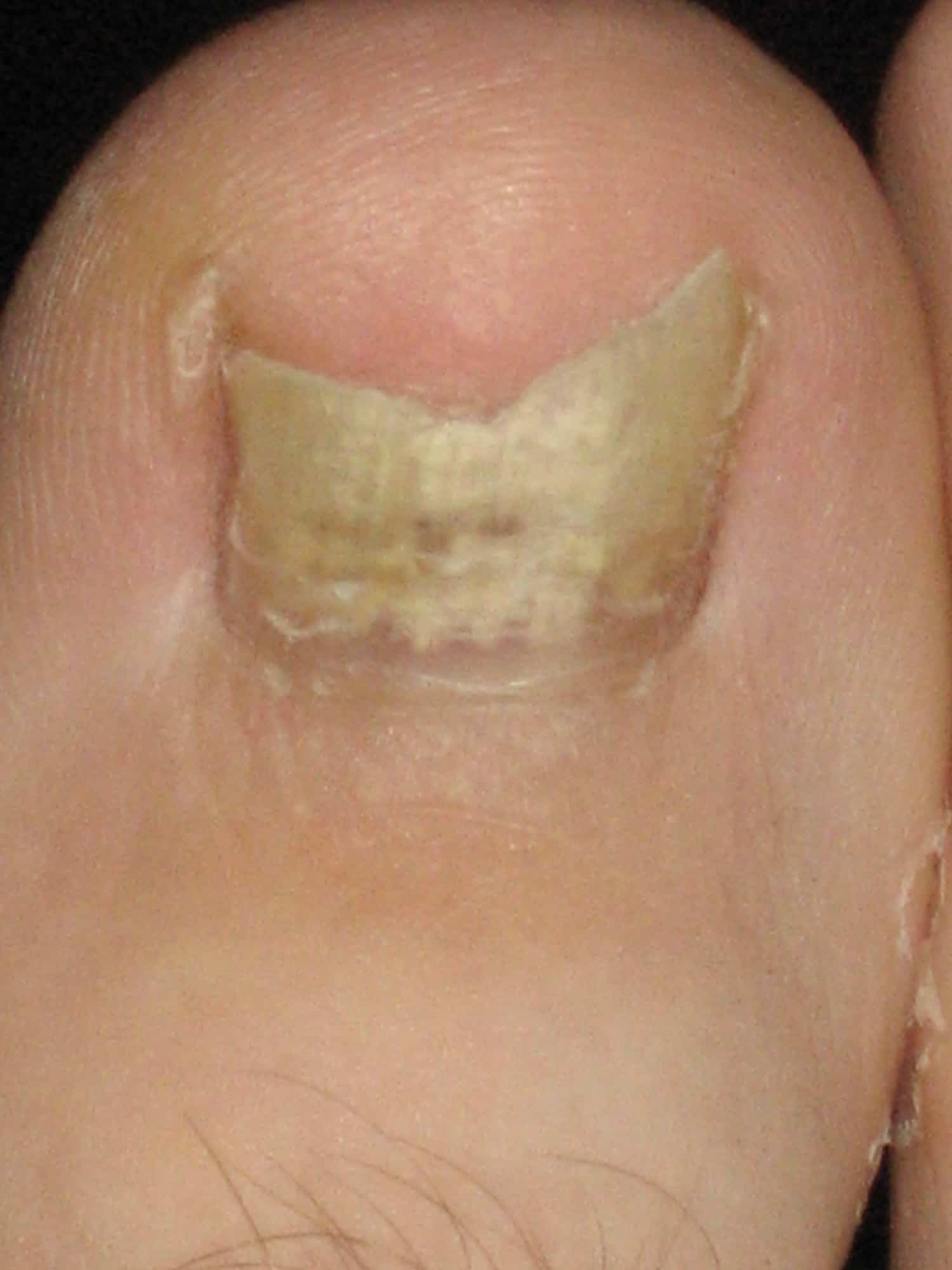
  • Check the nail beds in the fingers and toes.  Yeast will discolor the nails white and yellow.  They will also disrupt nail growth leading to horizontal ridging and pitting of the nails.
  • Check the mouth.  Yeast will present as a white film over the tongue and cheeks.  This film can be scraped off by a tongue depressor.
  • Vaginal yeast overgrowth can present as a white discharge.  It can also cause pain and itching.
  • Check your stools.  Sometimes a yeast overgrowth presents as white flecks or specks in your bowel movements.
If you have recently been prescribed an antibiotic, it is a smart move to begin a 4-8 week course of probiotics.  I recommend the following gluten free probiotic <<<  Doing so will reduce your risk of developing a yeast overgrowth and all of the problems that come along with it.
Please share this with someone you love or care about. Together we can help more people find awesome health!
Always looking out for you,
Dr. Osborne
Medical Resources on Yeast Overgrowth:
  • Mycopathologia. 2014 Jun;177(5-6):223-40
  • Mayo Clinic Proceedings. 2000 May; 75 (5): 540-541.
  • Biomed Res Int. 2013;2013:204237

Tuesday, 1 November 2016

How to Live a ‘Detoxification Lifestyle’

Watch this video to Discover:

  • How to create a lifestyle in which you are gently cleansing and detoxing your body on a daily basis
  • How toxins contribute to weight gain and it’s effects on your body
  • What type of toxins you and your family may be exposed to on a daily basis
  • The pros and cons of detoxing and cleansing your body
  • How to properly prepare for a detox and live a detoxifying lifestyle
Back in 2006 when I wrote my book The Gabriel Method, I talked a lot about how toxins can cause your body to hold onto weight. At the time it was a radical notion, but it’s now become generally accepted that toxins are a major impediment to losing weight.
Our body stores toxins in our fat cells. So if you’re taking in more toxins each day than you are eliminating, your body will resist burning fat. Why? Because burning fat will dump even more toxins into your bloodstream and make it even harder to detoxify.
Toxins also cause inflammation, excessive growth of unfriendly bacteria in your intestines, leaky gut syndrome, fatty liver syndrome and other side effects all of which turn ON your FAT Programs.
In recent years, detoxing has become very trendy. But there’s definitely a right way and a wrong way to do it. What I recommend prior to doing any type of detoxification program is to start living a detoxification lifestyle.
A detoxification lifestyle means taking less toxins in each day that you are eliminating. You can achieve this by drinking green juices (to help flush out your systems), eating fermented veggies, eating live vibrant non-processed detoxifying foods, taking digestive enzymes and probiotics, and increasing your water intake.
For a full explanation of how to live a detoxification lifestyle watch the video above.
By living a detoxification lifestyle, your body will get healthier over time and no longer crave the processed junk food that you might currently be eating. Slowly the inflammation goes away, the unfriendly bacteria get replaced with friendly bacteria, leaky gut gets repaired, your liver regains the ability to burn fat and it becomes so much easier to let go of weight.
You may want to also consider joining us for the upcoming Gabriel Method Detox program. A detox can be the perfect way to give your body the time it needs to heal,recuperate, re-energise and jumpstart your weight loss.
A detox that’s done the right way can take years of your life, reset your hormones and make it so much easier to lose weight and keep it off. But the trick is, it has to be done correctly.
You can learn more about our unique approach to detoxing and the upcoming Gabriel Method Detox here.


Source: https://www.thegabrielmethod.com/how-to-live-a-detoxification-lifestyle/

How to Live a ‘Detoxification Lifestyle’

Watch this video to Discover:

  • How to create a lifestyle in which you are gently cleansing and detoxing your body on a daily basis
  • How toxins contribute to weight gain and it’s effects on your body
  • What type of toxins you and your family may be exposed to on a daily basis
  • The pros and cons of detoxing and cleansing your body
  • How to properly prepare for a detox and live a detoxifying lifestyle
Back in 2006 when I wrote my book The Gabriel Method, I talked a lot about how toxins can cause your body to hold onto weight. At the time it was a radical notion, but it’s now become generally accepted that toxins are a major impediment to losing weight.
Our body stores toxins in our fat cells. So if you’re taking in more toxins each day than you are eliminating, your body will resist burning fat. Why? Because burning fat will dump even more toxins into your bloodstream and make it even harder to detoxify.
Toxins also cause inflammation, excessive growth of unfriendly bacteria in your intestines, leaky gut syndrome, fatty liver syndrome and other side effects all of which turn ON your FAT Programs.
In recent years, detoxing has become very trendy. But there’s definitely a right way and a wrong way to do it. What I recommend prior to doing any type of detoxification program is to start living a detoxification lifestyle.
A detoxification lifestyle means taking less toxins in each day that you are eliminating. You can achieve this by drinking green juices (to help flush out your systems), eating fermented veggies, eating live vibrant non-processed detoxifying foods, taking digestive enzymes and probiotics, and increasing your water intake.
For a full explanation of how to live a detoxification lifestyle watch the video above.
By living a detoxification lifestyle, your body will get healthier over time and no longer crave the processed junk food that you might currently be eating. Slowly the inflammation goes away, the unfriendly bacteria get replaced with friendly bacteria, leaky gut gets repaired, your liver regains the ability to burn fat and it becomes so much easier to let go of weight.
You may want to also consider joining us for the upcoming Gabriel Method Detox program. A detox can be the perfect way to give your body the time it needs to heal,recuperate, re-energise and jumpstart your weight loss.
A detox that’s done the right way can take years of your life, reset your hormones and make it so much easier to lose weight and keep it off. But the trick is, it has to be done correctly.
You can learn more about our unique approach to detoxing and the upcoming Gabriel Method Detox here.


Source: https://www.thegabrielmethod.com/how-to-live-a-detoxification-lifestyle/

Sunday, 16 October 2016

How to Hack Your Immune System


Today you’ll discover the key to better digestion, radiant skin, more energy and so much more: your immune system.
You know immune system helps protect you from bacteria and other invaders. But you might not know it also impacts virtually every other system in your body — from your hormones to your nervous system.
Understanding this fact means two things:
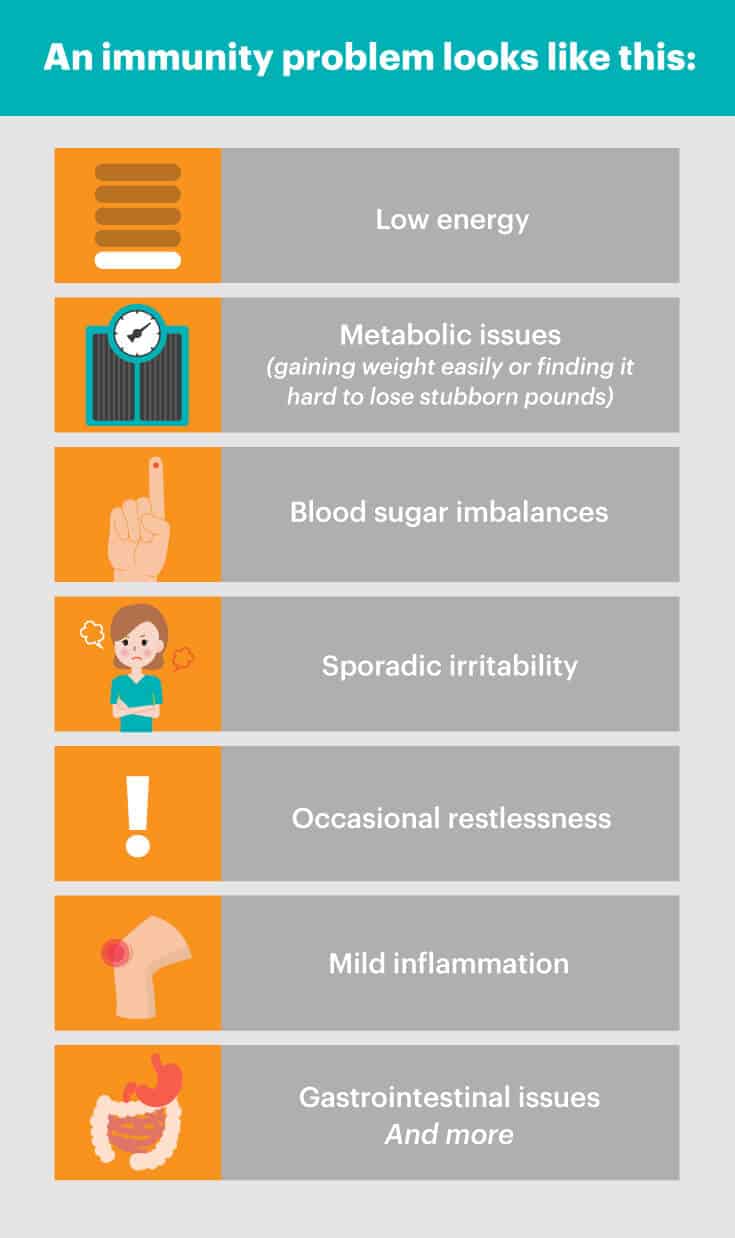
1. Pinpointing immune issues can be challenging. Since immune issues can rear their ugly head in many ways, any one — or all — these things could be linked to an immunity problem†.
Immune system problems - Dr. Axe
 Truth be told: If you have one (or many) of these symptoms, you could have an immune issue and not even know it.†
But it also means…
2. Supporting your immune system can completely revolutionize your health†. Even a small improvement can dramatically influence the way you look, feel and even think every day.
I know because a few years ago I helped my mom overcome a major health crises and a host of immune system challenges.
Within days of addressing these issues, she noticed:
  • Clearer thinking
  • More energy
  • And better sleep
A few months later, she looked years younger. She says,


“I feel better now than I did 20 years ago!”

Today, my mom is in the best shape of her life. She water skis every summer. Here she is waterskiing at age 60!
Josh's mom waterskiing - Dr. Axe
She’s making up for years of feeling sick and exhausted and living her life to the fullest every single day.
But it’s not just her. I’ve got thousands of success stories. People report complete transformations after addressing immunity issues.
We’re talking about people who went from lethargic to energetic, from “foggy” and unfocused to attentive and sharp, from “soft” and unfit to lean and strong.†
Immune system fixes
Today, I’ll show you how to do the same. 
But before I tell you how to support your immune system, let’s talk about how your immune system works and where issues originate.

What Exactly Is Your Immune System?

Your immune system is a collection white blood cells scattered throughout your body. And there are two major goals for immune cells:
  • Addressing issues INSIDE your cells.
  • Attacking infections on the OUTSIDE of the cells.
Almost every healthy person will have enough of both types of cells, fully functioning and performing their critical roles.
But problems arise when things interfere with these cells’ ability to respond to the areas they influence.†
In the modern world, these interferences are becoming all too common.
Immune system enemies
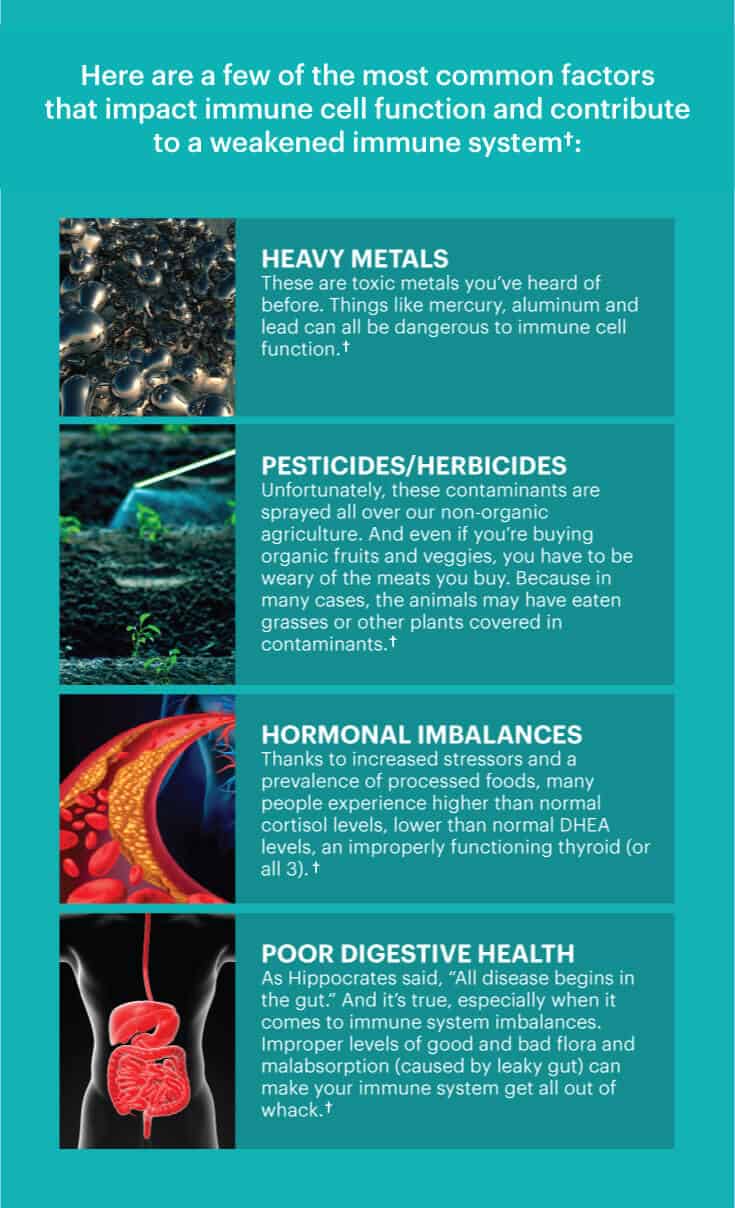
Addressing heavy metal and pesticide issues is possible. Especially if we take steps to reduce our exposure to harmful compounds. With a few tweaks to your shopping list (buy organic) and lifestyle choices (avoid mercury-rich fish), you can see improvements almost immediately. And over time, you can see radical improvements in your health. 
But when it comes to addressing the remaining two issues, we have to look much deeper into our diets and digestive system.


Optimizing Your Digestion: The Key to Immunity and Better Health

When it comes to fighting potential immune issues, digestion is key. Here are two of the most important steps you can take:

Step 1. Seal Your Leaky Gut†

Leaky gut syndrome is a rapidly growing condition. In fact, millions of people are struggling with it and don’t even know it. From the sound of it, you might think leaky gut only affects the digestive system, but in reality it can lead to many other health challenges.
According to research, the cause of your food allergies, low energy, joint discomfort, thyroid issues and immune challenges could be leaky gut symptoms spreading throughout the body.
Thankfully, you can get some quick wins on this front.  Two huge wins involve:
Removing Toxic Foods From Your Diet
Some foods are notoriously toxic to your immune system.
Foods to avoid include:
  • Sugar and sweeteners:  Excess sugar will wreak havoc on your immune system faster than almost anything else. That includes avoiding everything from high-fructose corn syrup to artificial sweeteners as well. Be aware that sugar is an additive in many breads, condiments and dressings. Try to avoid as much extra sugar as possible.
  • Processed and microwaved foods: Highly processed foods have TONS of preservatives and fillers. Those things are hard to digest. And over time, they wear out your body’s energy, digestion cycle, and immune system. Try to buy food on the outer wLunch meatalls of your grocery store (organic vegetables/fruits and grass-fed meats) and prepare your own food whenever possible.

  • Hydrogenated oils: Vegetable oils like soybean, canola and corn oil are highly inflammatory and can lead to inflammation. Try to only use good fats such as coconut oil, olive oil, organic butter or ghee, as these can be soothing on your gut and great for your immunity.
Loading Up Bone Broth
Bone brothBone broth is one of the best natural sources of collagen, a type of protein that’s needed to form tissue that makes up the lining of the GI tract. Collagen supports the lining of the digestive tract. And it can work wonders for leaky gut. Increased intake can help strengthen and normalize mucus membranes in the GI lining, close tiny junctures and stop undigested food particles and chemicals from leaking out of the gut into the bloodstream.


When collagen breaks down, gelatin is formed
, which is known to help people dealing with food allergies and sensitivities. Gelatin in bone broths contains “conditional” amino acids called arginine, glycine, glutamine and proline, which have certain anti-aging effects. And they’re incredibly powerful for your immune system.†

Step 2. Consume probiotic-rich foods

While Vitamin D and Vitamin C get all the attention with regard to immune health, probiotic-rich foods are equally — if not more — important.
Probiotics are good bacteria that help you digest nutrients, detoxify your colon and balance out and support your immune system.†
Some of the top probiotic foods for immune system health include:
  • Fermented vegetables like sauerkraut and kimchi —
    Kimchi - Dr. Axe
    Made from fermented cabbage and other vegetables, sauerkraut isn’t diverse in probiotics but is high in organic acids (what gives food its sour taste) that support the growth of good bacteria. While sauerkraut is extremely popular in Germany, kimchi is a close cousin and is the Korean take on cultured veggies. Both of the fermented formulas are also high in enzymes that can aid digestion and, thereby, boost your immune system.
  • Fermented dairy products like kefir and goat milk yogurt —
    Kefir Background

    Similar to yogurt, kefir is a fermented dairy product with milk and fermented kefir grains. Kefir has been consumed for well over 3,000 years, and the term kefir was started in Russia and Turkey and means “feeling good.” It has a slightly acidic and tart flavor and contains anywhere from 10 to 34 strains of probiotics. Kefir is similar to yogurt, but because it’s fermented with yeast and more bacteria, the final product is higher in probiotics.
  • Kombucha — 
    kombucha
    Kombucha is an effervescent fermentation of black tea that’s started by using a SCOBY, also known as a symbiotic colony of bacteria and yeast. Kombucha has been around for over 2,000 years, originating near Japan. Many claims have been made about kombucha, but its primarily health benefits include digestive support, increased energy and support for immunity against bacteria and other invaders.
If you make sure your digestion is strong, you can take your immune system to the next level. These probiotic foods will absolutely help you with that aim.
With that said, consuming all of these foods and avoiding all of these toxins on a daily basis isn’t always practical. 

That’s why I believe in supplementing a balanced diet and healthy lifestyle with a few key, high-quality immune-supporting supplements.
To see what I personally use and recommend to support my gut and immune system health, click here.†

† These statements have not been evaluated by the Food and Drug Administration. This product is not intended to diagnose, treat, cure or prevent any disease.