Showing posts with label immune system. Show all posts

Friday, 31 March 2017

Foods and Lifestyle Strategies for Seasonal Allergy Relief

I know many of you suffer from seasonal allergies this time of year. I get letters from readers like you all the time sharing your lengthy list of medications and how they don’t work, how you are still suffering.  For years, I was allergic to cats and pollen but by the time I was 31, it all completely went away. Today, at 52, I wipe down the car and outdoor porch furniture from pollen, and play with my friends’ cats all the time. But in my younger years, when my immunity was weak, I dealt with allergies from all kinds of triggers.  So I feel for you!
Medicine?
Some health practitioners don’t like antihistamines at all, but I do for seasonal allergies, and not long term. I understand why you would want quick relief from incessant sneezing, runny nose, scratchy throat, watery eyes and congestion. You feel miserable!  Some popular “allergy meds” include:
  • antihistamines (to inhibit the body’s histamine reaction, which causes inflammation of airways and mucus membranes)
  • corticosteroids (to also reduce inflammation)
  • bronchodilators (to open airways)
  • decongestants (to thin and dry up mucus)
While helpful for a few days, these medications all come with side effects, the most common of which are drowsiness; impaired performance; dryness of the eyes, nose and mouth; restlessness; abdominal distress, unusual bleeding and bruising; heart palpitations; and insomnia. Insomnia can be severe with steroids, and when used long term or with benzodiazepines, can lead to personality changes, aggression and psychosis.
Some of these medications have the potential to cause mental or cognitive side effects that can make you feel slightly drunk or “out of it”, fuzzy-headed, and zombie-like. I’m sure you’ve experienced this effect if you’ve taken a “first generation” allergy drug such as diphenhydramine or chlorpheniramine. These drugs get in your brain by crossing your blood-brain barrier, and interacting with a number of unintended receptor sites. This annoys specific neurons in your brain causing you to feel depersonalized, or hungover, or like you’re drunk. You may begin to bump into furniture, feel jelly-legged, forget things or get sleepy… almost as if you’re drugged up. That’s because you are! You got drugged up, since some of these drugs act on the same neurotransmitters that regulate cognition, sleep and mood.
How ’bout the kiddos?Seasonal allergies in kids is rather common. The side effects of “allergy drugs” are slightly different in children, including nightmares and overexcitability in addition to the upset stomach, diarrhea, ADHD-like symptoms and impaired cognitive function that adults also frequently experience.
I guess I’m trying to say that as much as I personally approve of the pharmaceuticals for short-term relief and instant gratification, allergy medicines simply aren’t for everyone.  If you’ve taken them before you know what I mean.  The dry mouth and dry eyes alone are pure misery, not to mention the rapid heart rate and/or constipation.
Furthermore, some of the drugs aren’t recommended for everyone due to past medical history. Women who are pregnant or breastfeeding need to be careful, as well as those with high blood pressure heart disease, kidney or liver disease, glaucoma, or with thyroid problems. That rules out a lot of you, doesn’t it?
Do you want to cover it up or fix it once and for all?
To top it all off, allergy medications don’t even treat the root of the problem—they only manage symptoms. For all these reasons, they should only be one part of a bigger plan that includes practical dietary strategies for minimizing your exposure to the allergens that trigger you and priming your digestive system by choosing foods that empower your body to be better equipped to process allergens without an allergic response.
I want to take just a minute to explain what an allergic response is. When your body is exposed to allergens, it reacts by releasing histamine compounds that attack cells in your body, causing them to swell up and leak some of their fluid. This histamine response is what triggers common allergy symptoms like watery, itchy eyes, sinus congestion, swollen nasal passages, itchy skin, runny nose and incessant sneezing.
I don’t want to make it seem like histamine is all bad. It’s not. You need some histamine because it functions as a neurotransmitter, and it plays a role in sleep and memory. Histamine is also an indicator of dehydration, and when it spikes during an allergic fit, it’s a red flag that you’re dehydrated.
Note: If and when you do take allergy medication, make sure to take it at the right time. Some of them are stimulating due to the inclusion of a decongestant like pseudoephedrine and should be taken in the day, others cause drowsiness like Benadryl or Zyrtec. These are individual reactions. Also, make sure to stay extra hydrated as histamine itself as well as decongestant medications are very drying to the mucus membranes.  Claritin is considered neutral and non-sedating but each person reacts differently so over time, you’ll be able to determine how it works for you.
So, what’s my alternative to prescription meds?Believe it or not, it’s the food you eat!  Most people, probably 9 out of 10 people have complete control over the strength of their immune system, and level of reactivity, at least at first. Your immune system is in your gut and you can control how reactive it is to external allergies, as well as food allergies.  It takes time and it’s not something people like to hear. Most people will say, “Ah whatever, I’ll eat what I want to, and just take this pill, it’s a lot easier.”
No worries, go right ahead. But there are a subset of you reading this today that are ready to make a change and ready to feel better, and get off the expensive pills and more than that, heal your body. You absolutely can, and it is YOU who I am talking to right now!
Immune BasicsYour GI tract is the site of a large portion of your immune system. If you are consistently eating low-quality, highly processed foods, your GI tract is busy processing those foods that don’t offer a lot of nutrition in return. When spring is sprung and large amounts of pollen start entering your already taxed GI tract, it simply can’t handle it and as a result, your digestion gets backed up and those allergens stick around longer making it more likely that your body will have an immune response to them.
Congestion in your colon absolutely is tied to congestion in your sinuses! While this may seem like a bad thing, it’s not, because it means that you can have a big effect on your allergies by eating a whole food, high-fiber diet. Green superfood drinks and smoothies could offer detoxification and improve allergies, without the need for medicine. How’s that for simple?
EAT THESE:Organic fruits and vegetables. While there are a couple of fruits and veggies that you want to avoid (I’ll cover those in just a bit), for the most part, fresh produce is loaded with compounds that help regulate the histamine response—meaning, you can essentially eat your anti-histamines. Also, fruits and vegetables are high in fiber, which will help keep your digestion moving. Prioritize eating more of them than you normally do—especially cooked. You can steam, saute or boil but eat as many vegetables as you can.  Cooking them reduces goitrogens, which are compounds which can hinder your thyroid function. Also, cooked vegetables are easier to digest and the goal here is that you’re trying to give your gut a break!
Warming spices and aromatics. Garlic, ginger, onions, cinnamon and cayenne pepper help to thin mucous so it can be passed out of your body more easily. Many of these foods also help stimulate digestion and have immune-boosting properties of their own. Definitely, use a heavy hand with these healing helpers when your allergies are getting triggered!
Local honey. It has long been held that eating small amounts of locally-produced honey, which bees create by ingesting pollen and then regurgitating it, helps your body acclimate to the particular strains of pollen that are floating around your area. You can often buy locally grown honey at a Farmer’s Market, or sometimes at your local health food store. The point of eating honey grown locally is that when you breathe in the air where you live, your body doesn’t have as strong an immune response as it otherwise would. Try a teaspoon of locally grown honey every day beginning in February each year and continue it through allergy season.  You can even chop up a raw garlic clove or coin of fresh ginger and take it with the honey to make it more palatable.
Bone broth. A broth made by boiling the bones of beef or chicken contains many compounds that help reduce inflammation and promote digestion, which then helps soothe respiratory problems.  I prefer pasture-raised because these animals have the healthiest diets and thus more mineral-rich bones.  You can add your warming spices to bone broth for a delicious soup that also makes you feel pampered!  Don’t try bone broth if you are in benzo withdrawal or sensitive to things like MSG, as the increased glutamate is going to set you back. Bone broth is high in free glutamate.
Pineapple. I know I already mentioned eating extra fruits, but make sure to prioritize pineapple, as it contains an enzyme called bromelain that reduces swelling and mucous production. Bromelain is a common proteolytic enzyme used to help break down inflammatory compounds and is also sold as a supplement.
Apple cider vinegar. This type of vinegar, sold “with the mother”, contains natural probiotics that help boost the immune system. You can mix one tablespoon in a glass of water with a squeeze of lemon for a little extra vitamin C and drink it down, one to three times a day. You could also add your local honey to it to make it more palatable and to kill three birds with one stone! 
AVOID THESE:Dairy. Dairy products contain casein, which has been tied to allergies and asthma, and avoiding dairy seems to offer relief for many chronic sufferers. Also, dairy is associated with mucous production, and at this time of year, you certainly don’t need any more of that!
Wheat and soy. These foods are common allergens, so by removing them from your diet you allow your body to focus more on processing the pollen and other airborne allergens that are floating around. If you want to be more thorough about removing common allergens from your diet, also skip eggs, tree nuts, shellfish, peanuts and strawberries.
Preservative-heavy foods. Many food preservatives, such as sodium bisulfite, potassium bisulfite, sodium metabisulfite, potassium metabisulfite, and sodium sulfite, can trigger asthma-like symptoms, which you definitely don’t need if you are also experiencing the respiratory problems associated with seasonal allergies. For this reason, avoid these common sources of preservatives: farmed shrimp, smoked meats, bologna, dried fruits, and vinegar-containing foods like salad dressing, pickles and relish.
Spinach. This is a highly pesticide-laden food and also high in oxalates, which can contribute to kidney stones. If you’re going to eat spinach, make sure it’s organic and eat it only in moderation – don’t make it your main source of extra vegetables and don’t juice it every day. Be careful, because it’s a goitrogen too.
Kale, broccoli, cabbage and Brussels sprouts. I know, people hail kale as the healthiest of all greens, but in its raw form it contains high amounts of goitrogens, which can impair thyroid function. Same goes for broccoli, cabbage, Brussels sprouts and other cruciferous veggies.  You can still eat them, just please cook them first as this removes their goitrogenic tendencies! Don’t slurp down a bunch of kale juice in an effort to protect yourself from allergies because then you could be dealing with the fatigue and brain fog that comes not from anti-allergy medication but from a sluggish thyroid!
A few lifestyle simple changesA lot of people don’t think of these common sense steps, but they can go a long way toward reducing your exposure to allergens in the first place:
  • Take your clothes off before you get in the bedroom, so that any pollens that may have fallen on you while you were outside don’t get into your bedroom, where you spend the most time.
  • Keep bedroom windows closed.
  • Change sheets and pillowcases often.
  • Take a shower before bed, or run a wet brush through your hair before you go to sleep to remove pollen from your hair.
I hope that these strategies will help you have a far better experience of spring this year!
Related articles:

Friday, 18 November 2016

What Your Thyroid Lab Results Really Mean


One of the questions I am most frequently asked is ‘what are the most important thyroid labs to check in order to asses your thyroid’s function?’ This, along with what do the lab result mean, are two of the most important topics to understand in order to know if you truly have thyroid dysfunction or not. And let me tell you, there is a lot of misinformation on the internet and in the conventional medicine world surrounding these two topics. That’s why I discuss them in-depth in my latest book, The Thyroid Connection.
In this article I’ll explain what each thyroid blood test measures, why your doctor should check them, and what the optimal reference ranges are to ensure your thyroid is functioning optimally.

TSH – Thyroid Stimulating Hormone

The hypothalamus, which is responsible for managing hunger, thirst, sleep, hormones, and body temperature, among other important functions, continuously monitors the level of thyroid hormones present in your bloodstream. If it determines that energy levels are low, it sends out TRH, Thyroid Releasing Hormone, to your pituitary gland. Your pituitary gland then releases TSH Thyroid Stimulating Hormone, which is sent directly to the thyroid in order to produce more thyroid hormone, or T4. As a result, your TSH level is actually an indication of what your pituitary is doing based on your hypothalamus’ feedback loop, rather than how your thyroid is actually functioning. Because of this negative feedback loop, the meaning of the results are often counterintuitive and confusing.
  • If TSH is high – this can be a sign that you are under-producing thyroid hormones and you are hypothyroid
  • If TSH is low – this can be a sign that you are over-producing thyroid hormones and are hyperthyroid, or that you are on too much supplemental thyroid hormone. Supplemental T3 or natural desiccated thyroid hormone with T3 can artificially suppress your TSH, so in the absence of symptoms it could be perfectly normal.
  • If your TSH is ‘normal’ – ie your TSH falls within the normal reference range, this could indicate that you do not have thyroid dysfunction. However, as I write in my book and discuss in the Thyroid Connection Summit ‘normal’ and ‘optimal’ levels mean very different things So, if you still have symptoms and are in the ‘normal’ range but not ‘optimal’ then you likely could have thyroid dysfunction

T4 – The Storage Form of Thyroid Hormone

Once TSH signals to your thyroid to ramp up production of its hormones, it produces the four different types of thyroid hormone – T1, T2, T3, and T4. The primary output of your thyroid is T4, which is a storage form of the hormone. It is circulated throughout the bloodstream and stored in tissues so that it’s available when needed. I like to measure Free T4 (FT4) since it is unbound and able to act in the body.
  • If FT4 is high – it can indicate an overactive thyroid or hyperthyroidism
  • If FT4 is low – it can indicate an underactive thyroid or hypothyroidism

Free T3 – The Gas

When each local area of your body determines that it needs more power, it converts storage T4 into Free T3, which is the active form of the hormone. These hormones attach to receptors inside of your cells to power your metabolic processes, which is why I like to think of them as the gas.
  • If FT3 is high – indicates that your thyroid is overactive or hyperthyroidism
  • If FT3 is low – you may not be converting T4 to FT3 very well and you could have hypothyroid symptoms even if your TSH and FT4 are within range. This is one of the most common causes of low thyroid or hypothyroidism I see in my clinic.

Reverse T3 – The Brakes

Your body also uses a portion of the T4 to create Reverse T3 (RT3), another inactive form of thyroid hormone, but one that can attach to the receptors for Free T3 in order to slow down your metabolic processes. For that reason, I call RT3 the brakes.
  • If RT3 is high – you are likely converting too much T4 to RT3 and not enough to FT3, which can cause hypothyroid symptoms even if your TSH and T4 levels are optimal. In addition, I look at something called a RT3/FT3 ratio and I like that to be less than a 10:1 ratio.

Thyroid Antibodies – Your Immune System’s Attack on Your Thyroid

The vast majority of thyroid conditions are autoimmune, which means your immune system is attacking your thyroid. The hypothyroid form of autoimmune thyroid is Hashimoto’s, and the hyperthyroid form (which is what I had) is Graves’ Disease. It’s incredibly important to know if your thyroid condition is autoimmune because once you develop one autoimmune disease, you’re three times as likely to develop another. It’s also important because as I explain in both of my books, The Thyroid Connection and The Autoimmune Solution, autoimmune disease can be reversed by addressing its root causes – leaky gut, diet, toxins, infections, and stress.
There are two main types of thyroid antibodies. Thyroid peroxidase antibodies, TPOAb, attack an enzyme used to synthesize thyroid hormones and are commonly elevated in both Hashimoto’s and Graves’ Disease patients. Thyroglobulin Antibodies (TgAb), attack thyroglobulin, which your thyroid uses to produce its hormones. They are typically elevated in Hashimoto’s patients.
  • If your antibodies are elevated – your immune system is attacking your thyroid and you have autoimmune thyroid disease, or you are on the autoimmune spectrum

What Thyroid Levels Your Doctor Should Check

Most conventional medicine doctors only check your Thyroid Stimulating Hormone (TSH) levels. If you are lucky, they will test your Free T4 levels to see if you are low on the storage form of thyroid hormones. However, as we’ve just covered, there are many factors involved in optimal thyroid function, so those two levels alone don’t tell the whole story. To get a complete picture of a patient’s thyroid health and medication needs, I recommend ordering all of the thyroid tests listed below.
  • TSH
  • Free T4
  • Free T3
  • Reverse T3
  • Thyroid Peroxidase Antibodies (TPOAb)
  • Thyroglobulin Antibodies (TgAb)

The Optimal Thyroid Lab Ranges Your Doctor Should Use

Even if your doctor does order a complete thyroid panel, they’re usually relying on “normal” reference ranges that are too broad and often inaccurate. When they created the lab reference ranges for a healthy thyroid they later discovered that they had included people who already had thyroid dysfunction! Because of this, in 2003, the American Association of Clinical Endocrinologists recommended that the lab reference ranges become more narrow. Yet still today, most doctors and laboratories haven’t updated their practices.
In my functional medicine practice, I have found that the ranges below are the ones in which my patients (and myself) thrive. I listen to my patients as well, and take how they are feeling into account.
  • TSH 1-2 UIU/ML or lower (Armour or compounded T3 can artificially suppress TSH)
  • FT4 >1.1 NG/DL
  • FT3 > 3.2 PG/ML
  • RT3 less than a 10:1 ratio RT3:FT3
  • TPO – TgAb – < 4 IU/ML or negative

If Your Doctor Won’t Order a Full Thyroid Panel for You

My sincere hope that your doctor is willing to order all of the labs listed above and then use the optimal reference ranges while working with you to restore your thyroid function. However, if that is not the case, I have partnered with a lab company called My Labs for Life so that you can easily order your own lab tests online. You can order a complete thyroid panel here, and either take your results back to your physician, or meet with my Wellness Coach, Liz, to have them reviewed.

Source: http://www.amymyersmd.com/2016/10/thyroid-lab-results-really-mean/

Tuesday, 8 November 2016

How to Get Rid of a Boil

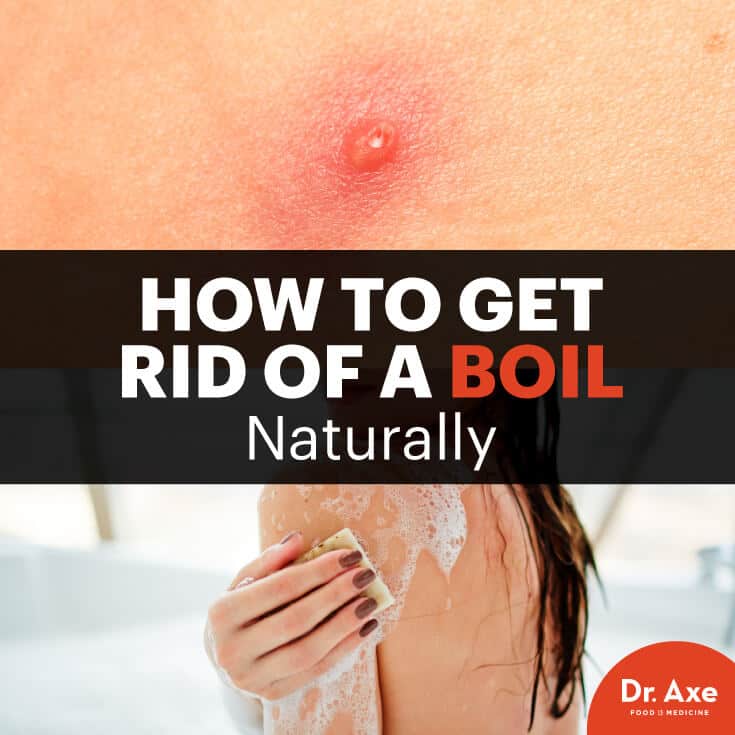
How to get rid of a boil - Dr. Axe
Ever wonder if that growth is just a really bad pimple or a boil? While the two may start out similarly — as a raised, reddish spot on your skin — a boil continues to grow larger and becomes more painful. A boil is like a pimple on steroids. In fact, boils can grow to be larger than a golf ball in size. (1) No one wants that, which is why it’s important to know how to get rid of a boil.
What is a boil? Medically speaking, a boil or furuncle is an infection of the skin typically caused by bacteria. Are you wondering, what does a boil look like? It pretty much looks like a really outrageous version of a pimple. At its worst, it can be quite red, swollen and painful to the slightest touch. A bacterially infected hair follicle or oil gland is usually at the root of a boil’s formation. As this bacteria (most commonly staph) flourishes, a pocket of pus starts to form, and the boil often begins to balloon outward with a liquid-filled center. The most common areas for boils to occur are places on the body where there’s a lot of friction and sweat, like the armpits and buttocks.
The good news is that even conventional medical institutions like the Mayo Clinic agree when it comes to how to get rid of a boil — you can usually care for a single boil at home. (2) So even conventional thinking agrees that natural, home treatment is best as long as you don’t have a serious infection or multiple boils at once. Here is what you need to know about these (sometimes) literal pains in the butt, how you can avoid them, the best home remedies for boils and how to get rid of a boil as fast as possible — like how to get rid of pimples.

What Is a Boil?

A boil or furuncle is a skin infection that begins in an oil gland or hair follicle. What causes boils? Boils are usually caused by usually caused by the bacteria Staphylococcus aureus.This is one of 30 kinds of Staphylococcus better known simply as “staph.” Other bacteria or fungi found on the skin’s surface can also cause boils, but staph is the most common cause. (3) A boil or furuncle is a type of abscess. An abscess is defined as a painful collection of pus, usually caused by a bacterial infection.
A boil is typically round in shape and raised from the skin surface. Boils are tender to the touch. When one first appears, the skin turns pinkish red in that area, and a tender bump arises from the skin’s surface. After four to seven days, the boil will start turning white as pus collects under the skin. It’s very tempting to want to “pop” the boil at this point, but hands off because you can spread the infection and make things even worse (more on this shortly).
Boils can occur in the hair follicles anywhere on the entire body, but they’re most common on the face, neck, armpits, buttocks and thighs. (4) They can also occur in areas like the ear canal or nose. These boil locations can be especially painful. How to get rid of a boil can be more complicated in areas like these as well.
You can have one boil or multiple boils. If several boils appear together in a group, this is a more serious type of infection called a carbuncle. Recurring boils are also known as chronic furunculosis, a condition in which you have crops of boils that occur over a period of time continuously or from time to time.
Symptoms
A boil usually begins as a sore, raised area on the skin that’s pinkish red. It’s typically round and about half an inch in size. If you do have a boil, during the next several days the bump will become larger and more painful yet softer. The reason it becomes softer is the boil is being filled with a clear liquid or pus.
Common boil symptoms include:
  • Swollen, red lump deep in the skin
  • Pain, especially when touched
  • Size can vary from the size of a pea to larger than a golf ball
  • May develop a central, whitish-yellow “head” that may break and release pus
  • May “weep” or ooze clear fluid, or develop a crust
  • As the infection gets worse, a whitish point or head can appear at the center of the boil — this is where the boil’s pus will drain from if it begins to drain on its own
  • May spread to surrounding skin, creating a carbuncle
Having one boil rather than multiple boils definitely makes how to get rid of a boil easier and less involved.
Signs of a more severe infection include: (5)
  • The skin surrounding the boil becomes infected and turns red, painful, warm and swollen
  • A fever develops
  • Swollen lymph nodes
  • Additional boils pop up around the original one
Risk factors
People who are particularly prone to developing boils include:
  • Athletes participating in contact sports or using shared equipment
  • Individuals with weakened immune systems, such as people who are diabetics, have HIV, are taking certain medications like the types of medications used to prevent rejection of a transplanted organ, or are receiving chemotherapy to treat cancer
  • Individuals with other skin conditions that lead to scratching and injury to the skin, such as eczema or scabies
  • Staph carriers
  • Obese people
  • Individuals with poor nutrition
  • Individuals living in close quarters with other people like prisons, military barracks or homeless shelters
Causes 
Most boils are caused by staph bacteria, specifically the strain Staphylococcus aureus. This bacteria can enter the body through tiny nicks or cuts in the skin, or it can travel down the hair to the follicle. Other bacteria or fungi found on the skin’s surface can also cause boils, but staph is the most common cause of boils.

How to Get Rid of a Boil Naturally

For most healthy people with normally functioning immune systems, a relatively small boil will come to a head and drain on its own within two weeks. The easiest of natural treatments for how to get rid of a boil is to simply leave the boil alone. If you truly can leave it alone, a boil will likely break and drain on its own over time, typically within two weeks.
If you’ve had a boil, you know how tempting it is to try to pop it, but don’t! If you pop the boil yourself with a pin or needle, you may make the infection worse. Whatever you do, don’t pop, squeeze, scratch or open the boil. Squeezing can actually push the infection down deeper into your skin.
When it comes to how to get rid of a boil at home, the options are easy, natural and cost-effective.
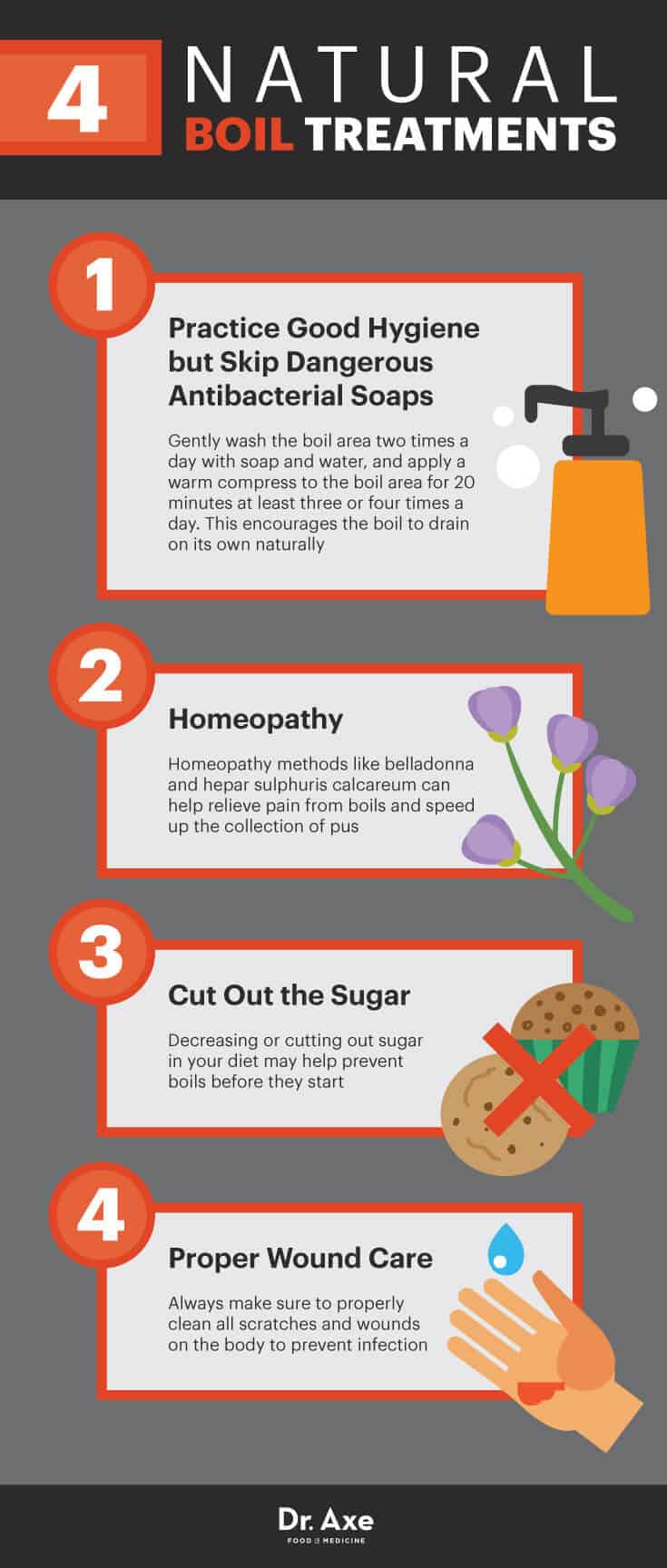
1. Practice Good Hygiene but Skip Dangerous Antibacterial Soaps
Don’t think that you need to cover yourself in antibacterial soap once you have a boil. Antibacterial soaps and creams cannot help much once a boil has formed — plus, overuse can lead to antibacterial overkill. Instead, gently wash the boil area two times a day with soap and water, and apply a warm compress to the boil area for 20 minutes at least three or four times a day. This encourages the boil to drain on its own naturally. (6)
Once the boil opens and begins to drain on its own, keep using heat for three days after the boil opens and wash it with a natural antibacterial soap, like one that contains tea tree oil.
You can then apply a natural antibiotic ointment (easy to find at your local health food store) and a bandage. Make sure the bandage is not too tight to allow for some healing air flow. Change the bandage every day.
I highly recommend avoiding commercial antibacterial soaps. Thankfully, the FDA has banned triclosan. Even the FDA admits that regular soap and water works just as effectively as antibacterial soaps without the harmful side effects, urging everyday people to skip out on the overkill of using antibacterial soap. (7) When you have a boil, there actually is bacteria that you want to kill off so choose a natural antibacterial soap to do the job without harming your health.
In general, always bathe regularly and never share washcloths and towels to help prevent boils. You should also avoid any close contact with someone who has a staph infection or boil.
2. Homeopathy
Homeopathy can be used to naturally treat boils at home. There is a really long list of possible homeopathic remedies for boils. The best homeopathic remedies for how to get rid of a boil include: (8)
  • Belladonna — For the early stages of inflammation, before significant pus formation. Commonly used when the area is red, hot, throbbing and tender, often with intense or stabbing pains, and touch may increase discomfort. The person may also feel excitable or feverish.
  • Hepar sulphuris calcareum — Known for speeding up the collection of pus. Typically taken once the boil opens to speed up drainage and healing.
Dosing suggestions are typically included on the label. Consult a homeopathic physician for suggestions and dosing if needed.

Four natural boil treatments - Dr. Axe

3. Cut Out the Sugar
Diet can play a part in boil formation and healing. Decreasing or cutting out sugar in your diet may help prevent boils before they start. If you have a boil or especially if you have reoccurring boils (furunculosis), it’s important to know that this disease is said to affect people who consume large amounts of sweets or sugar. I strongly believe that watching your intake and sources of sugar will help when it comes to preventing and healing boils, as well as your overall health since high sugar intake is linked to so many serious health problems.
So kick that sugar addiction, and decrease your risk for boils!
4. Proper Wound Care
To prevent boils, it’s important to always properly clean any minor skin openings like scratches. You might not think of a scratch as anything serious, and most of the time, it’s not. However, even a scratch is still a wound or an opening in the skin that could allow bacteria in, especially if you come in direct contact with someone who has a boil. Always make sure to properly clean all scratches and wounds on the body to prevent infection.

Furuncle vs. Carbuncle

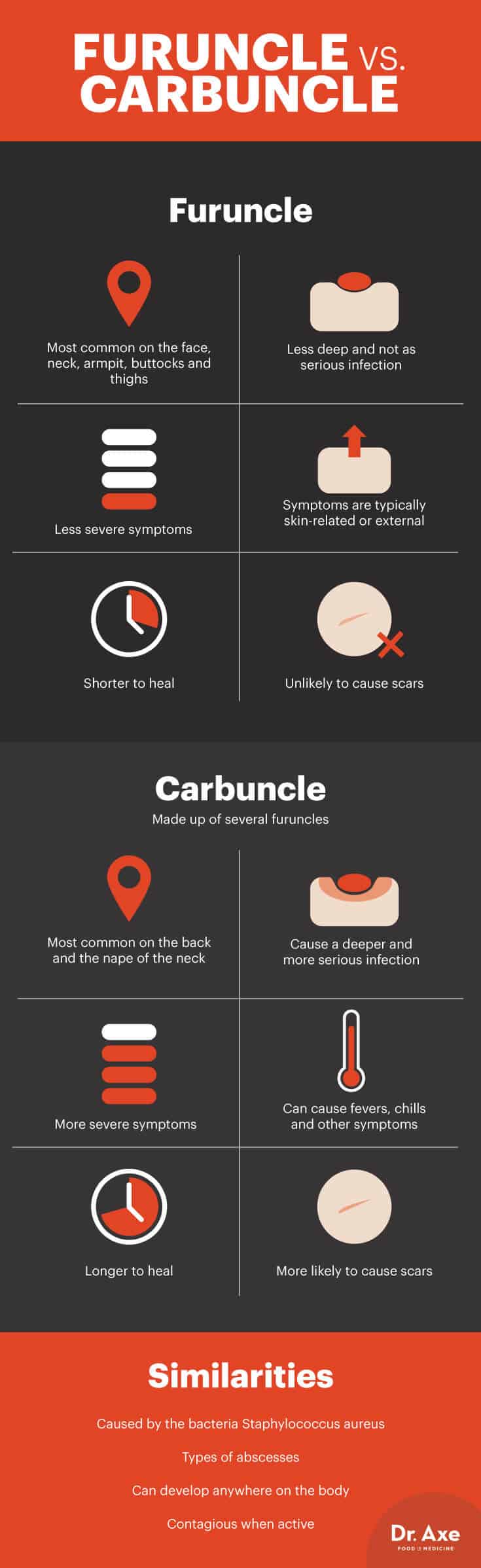
  • A carbuncle is made up of several skin boils or furuncles.
  • Furuncles and carbuncles are both caused by the bacteria Staphylococcus aureus.
  • Furuncles and carbuncles are types of abscesses.
  • Furuncles and carbuncles can both develop anywhere on the body.
  • Furuncles are are most common on the face, neck, armpit, buttocks and thighs, while carbuncles are most common on the back and the nape of the neck.
  • Carbuncles cause a deeper and more serious infection than furuncles.
  • Symptoms of carbuncles are more severe than symptoms of furuncles.
  • Common furuncle symptoms are typically skin-related or external, while carbuncles can cause fevers, chills and other symptoms.
  • A boil can also cause a fever if the infection is bad, but a fever is more likely with a carbuncle than with a single boil.
  • Carbuncles take longer to heal than furuncles.
  • Most small furuncles heal without leaving a scar, but carbuncles are more likely to cause scars than furuncles.
  • Men get carbuncles more often than women.
  • An active boil or carbuncle is contagious, which means the infection can spread to other parts of the person’s body or to other people through direct skin-to-skin contact or the sharing of personal items.

Boil Conventional Treatment

A health care provide usually can diagnose a boil based simply on how it looks. However, a cell sample from your boil may be taken so it can be checked for the presence of staph or another bacteria.
Conventional boil treatment and prevention typically involve the recommendation of frequent use of antibacterial soaps. Your doctor may want to lance your boil, which means cutting a small opening in the boil so the pus can drain out. If the boil is extremely deep or large, your doctor may suggest surgery.
Your conventional doctor may also prescribe antibiotics if you have a boil. If you take antibiotics for a boil and it doesn’t seem to be improving within one to two days, then you should let your doctor know. This could mean that you have an infection caused by a type of antibiotic-resistant bacteria called MRSA. If this is the case, your doctor will likely prescribe another type of antibiotic.

Furuncle vs. carbuncle - Dr. Axe


Boil Precautions and Complications

Boils can be very contagious. Don’t share clothing, towels, bedding or sporting equipment with others while you have a boil. Wash your hands frequently to avoid spreading the infection to others as well.
It’s recommended to seek medical attention if you have a boil that hasn’t shown improvement with home treatment after a week and you exhibit one or more of the following:
  • A boil that lasts more than two weeks
  • Swollen lymph nodes
  • fever
  • Severe pain and the boil does not drain on its down
  • Skin around the boil turns red or red streaks appear
  • The original boil comes back
  • A second boil or a carbuncle forms
  • The boil is located on your spine or face
  • Repeated outbreaks of boils
  • You have diabetes, a heart murmur, a problem with your immune system or take immune-suppressing medications when you develop a boil
If an infant develops a boil of any size, he or she should be taken to the doctor immediately.
Possible complications of boils include:
  • Abscess of the skin, spinal cord, brain, kidneys or other organ
  • Bone, brain, heart or spinal cord infection
  • Infection of the blood or tissues (sepsis)
  • Spread of infection to other parts of the body or skin surfaces
  • Permanent scarring

Final Thoughts on How to Get Rid of a Boil

  • Boils may just look like really, really bad pimples, but they should be taken seriously since they’re typically caused by staph bacteria.
  • Most boils can and will heal on their own, but they’re contagious so it’s important not to spread the infection through direct contact or by sharing personal items.
  • How to get rid of a boil naturally always involves simple yet consistent care of the boil area as well as warm compresses.
  • Cutting out sugar and getting more vital nutrients in your diet are excellent for both preventing and healing boils.
  • If you’re already a fan of homeopathy, you might want to follow recommendations for how to get rid of a boil using homeopathic remedies. There are quite a few options depending on your symptoms.
  • It’s essential to let the boil drain on its own when it’s ready to so you don’t spread the infection and increase healing time.
  • If your boil doesn’t respond to home treatment after a week or you exhibit any other concerning symptoms, seek medical attention.