Showing posts with label anti-inflammatory. Show all posts

Monday, 16 January 2017

7 Ways Grapefruit Essential Oil Can Boost Your Health


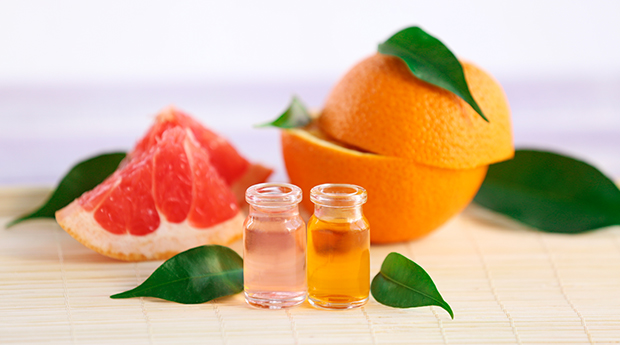
grapefruit-essential-oil

Long associated with dieting and weight loss, grapefruit has so much more going for it than that! Originally known as the “forbidden fruit of Barbados” when it was first described in the 18th century, grapefruit is packed full of nutrients and anti-cancer potential. Interestingly, grapefruit essential oil has even more healing applications than the slightly bitter fruit. In this article you will discover just how healing a single bottle of grapefruit essential oil can be.
Grapefruit (Citrus paradisi, or fruit of paradise) belongs to the Rutaceae (citrus) family of plants. The essential oil is mechanically cold pressed from the rind of the fruit. Grapefruit contains oil glands which are located much deeper in the peel than in other citrus fruits, and this makes it a bit more difficult to extract the oil. The oil yield is also far less than with other citrus fruit essential oils. These factors combined mean that grapefruit oil is a bit more expensive than lemon or orange. Grapefruit oil smells exactly like the fruit − fresh and zesty but also slightly bitter.

Historical Use of Grapefruit

Grapefruit has been used for hundreds of years for its many healing benefits. Our ancestors used it as an antiseptic wash for sore throats and for skin blemishes. It is well known as a dieter’s best friend for its ability to dissolve fat and cellulite. Being a natural diuretic, it assists the body in getting rid of excess water. In Ayurvedic medicine, grapefruit is a remedy for digestive problems as it stimulates the gall bladder, and assists in the secretion of bile. Grapefruit even helps to reduce depression with its light citrus aroma. It boosts immunity, is a potent antioxidant, soothes inflammation, increases metabolism, is a natural kidney, liver, and lymphatic cleanser, and helps to heal urinary tract infections and yeast overgrowth.

Grapefruit Oil and its Beneficial Phytochemicals

The most abundant phytochemical (all natural, plant-based chemical) in grapefruit essential oil is limonene, at about 88 to 95%. Limonene has a startling amount of research which indicates its usefulness against cancer and other diseases. Indeed, research has been carried out on limonene since the 1970s.
The phytochemical profile from grapefruit essential oil is rather impressive. All of these phytochemicals are backed by research indicating their usefulness for varied health conditions. Besides limonene, grapefruit oil also contains beta-myrcene, linalool, alpha-pinene, beta-caryophyllene, citronellol, farnesol and trace amounts of several other phytochemicals.

7 Ways Grapefruit Essential Oil Can Boost Your Health

Much research has been carried out on the healing properties of grapefruit essential oil, as well as the fruit. Here are some of the best research studies on the health and healing effects of grapefruit essential oil:

#1. Anti-Inflammatory

A number of studies make reference to the anti-inflammatory properties of grapefruit. One of the latest, a 2016 research study reported in the Pakistan Journal of Pharmaceutical Sciences, stated that the anti-inflammatory properties of grapefruit juice was helpful for the management of inflammatory bowel disease when given to animals. While that study was on grapefruit juice, what is in the juice is also in the essential oil!
A 2010 Chinese study found that limonene, the major phytochemical within grapefruit, had a number of inhibitory effects on several pro-inflammatory substances in the body.

#2. Anti-Cancer

A 2016 Egyptian study stated that grapefruit has a high polyphenol content. Polyphenols are active anti-cancer, antioxidant phytochemicals. These researchers also found that grapefruit was protective to genes and DNA, and has immune stimulating properties.
A 2014 study reported in Cancer Prevention Research by American and English researchers found that limonene had a positive effect on the breast tumors of early-stage breast cancer patients. Limonene caused a significant decrease in adrenal steroid hormones, important for those whose tumors are driven by estrogen, a hormone that is created, in part, in the adrenal gland. Limonene also decreased a protein known as cyclin D1, involved with the regulation of cells. Cyclin D1 is overexpressed in more than 50% of breast tumors.
In 2011, Canadian researchers studied the effects of apigenin, a flavone found in (amongst other foods) grapefruit, on four different breast cancer cell lines. They found that apigenin had the potential to slow or prevent breast cancer cell progression.
A 2012 mouse study undertaken by Mexican researchers examined pregnant mice given toxic levels of cadmium, followed by grapefruit. They discovered that the grapefruit conferred genotoxic protection, meaning it protected the DNA of the mice from the toxicity of cadmium. This may have applications for cancer prevention as well, since DNA damage is part of the process of carcinogenesis (generation of cancer). It is well known that all of the effects of carcinogenic (cancer causing) chemicals on the production of tumors can be accounted for by the DNA damage they cause. Much of this is from errors introduced into the DNA during the effort by cells to repair this damage.
An older 1996 study found that the flavonoid content of grapefruit inhibited cell proliferation (rapid growth) and development of mammary tumors in rats with triple negative breast cancer. This type of breast cancer is so named due to its lack of estrogen or progesterone receptors, or by the overexpression of the HER2 oncoprotein.

#3. Antiseptic, Antibacterial, Antifungal

2011 research published in International Journal of Food Science & Technologyfound that essential oil of grapefruit showed a wide spectrum of antimicrobial activity against some very nasty bugs. Tested were the following:
  • Staphylococcus aureus (golden staph), an opportunistic and virulent bug causing wide-ranging infections
  • Enterococcus faecalis, which causes intestinal flu
  • Staphylococcus epidermidis, a skin infection usually picked up in hospitals
  • Escherichia coli, which causes various infections and bloody diarrhea
  • Salmonella typhimurium, responsible for food poisoning and gastroenteritis
  • Serratia marcescens, which can cause infections in the urinary tract, respiratory tract, wounds, and the eye
  • Proteus vulgaris, which causes recurrent urinary tract infections
Grapefruit oil was able to inhibit all of these nasty bugs.
2009 research by German scientists investigating a number of essential oils found grapefruit oil to be effective against six strains of Staphylococci. These include Multi Resistant Staphylococcus Aureus (MRSA), four Streptococcus strains, and three Candida strains including Candida krusei. Researchers noted that “essential oils represent a cheap and effective antiseptic topical treatment option even for antibiotic-resistant strains as MRSA and antimycotic-resistant Candida species.”

#4. Weight Loss

Grapefruit has been used for decades for weight loss purposes. The “Grapefruit Diet” or Hollywood diet has been around since at least the 1930s and involves having a grapefruit or grapefruit juice along with each meal for 12 days. Does grapefruit really help with weight loss though? Several small studies would indicate it does…
Japanese research on rats and mice published in 2014 indicated grapefruit oil had a stimulatory effect on the sympathetic nervous system. The animals given grapefruit oil exhibited an increase in fat breakdown, increased body temperature (thermogenesis) and a decrease in food intake, all of which led to a loss of weight.
A randomized, controlled study on actual people, published in the Journal of Medicinal Food in 2006 by American researchers, found that consumption of fresh grapefruit did lead to weight loss. An average of 3.5 lbs (1.6 kg) was lost by study participants after 12 weeks. Insulin resistance was also improved for the participants.

#5. Reduces Blood Pressure

In 2009, Mexican researchers found that grapefruit extract and juice decreased blood pressure in those suffering from hypertension and also for normal, healthy patients.

#6. Reduces Cholesterol Levels

Pakistani researchers reported in 2016 the results of an animal study. The test subjects were fed both orange and grapefruit and subsequently showed “a highly significant” decline in cholesterol, LDL levels, and triglycerides, as well as a rise in HDL (the “good” cholesterol).
In addition, French researchers in 2012 discovered that naringin, a flavonoid from grapefruit, had a protective effect on the vascular systems of mice fed a high-fat diet. It reduced “bad” cholesterol concentrations, and even changed genes associated with atherosclerosis progression.

#7. Stress, Fatigue, Depression

Interesting 2015 research reported in Cancer Prevention Research found that limonene administration caused a significant decrease in adrenal steroid hormones. When a person is under stress, the adrenal glands produce large quantities of the steroid hormone cortisol. When cortisol is elevated for long periods of time, this has the potential to cause a variety of health complaints ranging from impaired immunity to chronic fatigue, sleep disturbances, and depression.
Grapefruit has been found to be useful for easing stress and lifting moods in other ways as well. Japanese researchers reported in 2001 that grapefruit essential oil inhibits an enzyme known as acetylcholinesterase (AChE). The role of AChE is to break down a neurotransmitter in the brain known as acetylcholine. Because grapefruit inhibits the enzyme AchE, this causes acetylcholine levels to rise, and its duration of action increases. This then results in mood improvement, less fatigue, decreased brain fog, less stress and depression.

Conflicting Information About Grapefruit and Estrogen

One 2007 American study done at the University of Hawaii found that eating grapefruit might increase the risk of breast cancer in postmenopausal women. Grapefruit contains something called coumarins and furanocoumarins. These substances can inhibit an intestinal enzyme known as cytochrome P450. This enzyme is involved with the breakdown and metabolism of estrogen in the body, and also many pharmaceutical drugs. Researchers found that eating one-quarter or more of a grapefruit per day was significantly associated with an increased risk of breast cancer.
To counter that research, however, a newer 2014 study undertaken by researchers at University of North Carolina at Greensboro found that naringenin, a flavanone (a type of flavonoid) found in grapefruit inhibited two breast tumor cell proliferation pathways in MCF-7 breast cancer cells. This line of cells is estrogen-receptor positive, progesterone-receptor positive, infiltrating ductal carcinoma (one of the most common types of breast cancer). Naringenin combined with the estrogen-blocking drug tamoxifen quite effectively impaired proliferation and induced apoptosis (programmed cell death) in tumor cells. So in this study, naringenin from grapefruit was beneficial for breast tumors and did not deactivate tamoxifen. In fact, naringenin helped tamoxifen perform its job of blocking estrogen.
What about grapefruit essential oil? Will it inhibit cytochrome P450 like grapefruit juice does? Keep reading!

The Grapefruit Juice Effect

The enzyme cytochrome P450 also plays a huge role in the breakdown of drugs in the body and it does this primarily in the intestines. Many drugs come with a warning that grapefruit juice should be avoided when taking these particular drugs for this very reason. Grapefruit is known to increase the bioavailability of more than 85 pharmaceutical drugs.
That MAY not be the case for grapefruit essential oil, however, because unless it is ingested, it does not pass through the intestinal tract. Grapefruit oil that is inhaled or applied to the skin would probably not affect the intestinal P450 enzyme system. Until more is known, however, if taking one of the drugs that advises grapefruit juice should be avoided − make sure not to take grapefruit oil internally by mouth, or avoid it altogether.

How Not to Get a Grapefruit Sunburn

Be aware that applying grapefruit essential oil to your skin and then going out into the sunlight might result in a sunburn. The furocoumarins in grapefruit can make it more susceptible to UV radiation. If applying grapefruit oil (or other citrus oils) to the skin, avoid sunlight exposure to those areas for 12 hours.

A Final Word of Caution When Using Grapefruit Essential Oil

It’s a very good idea if using essential oils for health improvement, to know where your essential oils come from. In particular ensure that the plant or fruit has not been sprayed with pesticides, or other harmful chemicals. Pesticide residue will concentrate in the rind of citrus fruit and since this is where the essential oil comes from, any essential oil from non-organic citrus fruit would be harmful rather than helpful. Please avoid any essential oils from companies that do not tell you how the fruit for their oils is grown. High quality organic essential oils are always your best bet!

DYI-grapefruit-household-cleaner

[-] Sources and References

Friday, 13 January 2017

Health Benefits Of Turmeric

Some of the most important health benefits of turmeric include its ability to heal wounds, protect cognitive abilities, ease menstrual difficulties, reduce inflammation, eliminate depression, alleviate pain, slow the aging process, protect the digestive tract, and prevent cancer.

Turmeric

Closely related to other members of the ginger family, turmeric is a perennial herb that is native to India and has the scientific name of Curcuma longa. The herb itself is derived from the rhizome of the plant, which is dried before the useful powdered form can be acquired. It needs a rather specific temperature and environment to thrive, so it is not widely cultivated throughout the world, but it is exported around the globe due to its desirability. The color of turmeric powder is perhaps the most striking characteristic, as it is bright yellow. You’ve certainly seen it, even if you haven’t recognized it, and if you have ever enjoyed Indian food, you have almost certainly consumed it.
Turmeric smells slightly like mustard but has a hot, almost pepper-like bitterness to it that complements a variety of dishes and makes turmeric very popular in soups, sauces, curries, meat dishes, biscuits, rice preparations, and as a general spice flavoring for dozens of other cultural dishes and specialties. Aside from its wide usage in food preparation, it has also been praised as one of the most comprehensive and powerful herbal medicines in Ayurvedic treatments and other traditional cultural remedies. Curcumin is the most important and active ingredient of this “super herb”. Turmeric juice is perhaps the most common form of the herb in medical use, but it can also be mixed into topical salves and creams. The essential oil of turmeric is also a powerful health agent, but the entire list of the health benefits of turmeric essential oil can be found on its own page within Organic Facts. For now, let’s look at the health benefits of turmeric itself.


Health Benefits Of Turmeric

Anti-Inflammatory Capacity: One of the most well-known applications of turmeric is as an anti-inflammatory agent. The active ingredients in turmeric are extensive, but a particularly crucial compound is curcumin. This substance has received considerable attention in the medical community due to its potent anti-inflammatory abilities. in fact, the strength of this substance is likened to some of the strongest pharmaceutical options for reducing inflammation. For this reason, consuming turmeric is often suggested for the reduction of arthritic pain, gout, and muscle pain following exercise or injury. Turmeric can achieve this relief in either topical form or when normally consumed. A topical salve can also be made to reduce the inflammation of hemorrhoids.

Gastrointestinal Issues: Turmeric has long been used as a stomach soother, and is particularly useful for constipation, cramping, and irritable bowel syndrome. The anti-inflammatory activity of curcumin also comes into play here, as it lowers the chances of developing ulcers, bleeding in the bowels, and generally eliminates irritation throughout the gut. Turmeric is often recommended for patients suffering from Inflammatory Bowel Disease and even more serious conditions, such as Crohn’s disease. The dietary fiber content found in turmeric, although not off the charts, is still significant and can help smooth your digestive processes.
Menstrual Issues: If you suffer from severe menstrual discomfort, cramping, bloating, excessive bleeding, or mood swings, turmeric may be precisely what you’ve been looking for. The anti-inflammatory and soothing nature of the herb’s natural compounds can relieve most symptoms of menstruation.
Cystic Fibrosis: Although this crippling, fatal disease is not discussed as often as cancer or heart disease, this particular condition attacks the lungs with thick mucus, as well as the pancreas. The curcumin found in turmeric has been shown to correct the protein-folding mutation that can cause the development of this deadly disease.
Cancer Treatment and Prevention: It seems that the whole world is searching for a cure for cancer, as well they should be, and turmeric is one of the best herbal approaches to the treatment or prevention of various types of cancer. Curcumin is a powerful antioxidant agent that has been directly linked with a reduction in colon cancer cells and is also a direct inhibitor for a protein that is essential for tumor growth. This makes turmeric a wonderful addition to any diet as a preventative measure and as a means of slowing metastasis of cancerous growth. The most extensive research on turmeric’s cancer prevention effects has been on colon cancer, but other types of cancer research related to curcumin are currently underway.
Detoxification of the Body: Turmeric and its active organic compounds have also been found to improve liver function and reduce the levels of toxicity in the body. By stimulating the lymphatic system and ensuring that toxins are removed efficiently, the antioxidant activities of turmeric are an ideal solution for liver ailments or toxicity.
Heart Health: There are a few different angles by which turmeric can boost your cardiovascular health – curcumin and vitamin B6. Vitamin B6 can efficiently inhibit the production of homocysteine, which is a negative bodily byproduct that seriously damages cell walls. These weakened walls can cause a number of complications in the heart, particularly when exacerbated by high blood pressure or plaque build-up. Secondly, curcumin directly balances your cholesterol levels by eliminating excess LDL (“bad cholesterol”) from the arteries and blood vessels. This can help to prevent atherosclerosis, so when combined with stronger blood vessels, turmeric represents a comprehensive solution for a wide range of heart issues.


Cognitive Abilities: In traditional medicine, turmeric was often relied on to boost cognitive abilities, increase concentration, and boost memory retention. Many of those traditional beliefs have ended up being legitimated by research, and turmeric is still considered a brain boosting herb. Aside from increasing general cognitive ability, it can also protect the neural pathways from long-term oxidative stress and the build-up of plaque. As a powerful antioxidant herb, turmeric can stimulate neural activity and prevent cognitive degradations, which often comes in the form of Alzheimer’s and dementia. Numerous studies have shown that curcumin is highly efficient in clearing out amyloid plaque, which is a major indication of Alzheimer’s progression.

Depression: Curcumin truly is a versatile substance, and the research has even stretched into its effects on the hormonal balance in the body. Studies have shown that curcumin has a similar effect as Prozac on patients suffering from depression, mood swings, anxiety, and stress. This makes it a powerful alternative to pharmaceutical routes, which often have dangerous or addictive side effects.
A Final Word of Warning: Although not commonly considered to be an allergenic substance, turmeric can have certain side effects on the body, including nausea, dizziness, or diarrhea, particularly when consumed in large quantities. In limited cases, excessive amounts of turmeric consumed in a medicinal capacity has caused heart irregularities. Always speak to a medical professional before adding a powerful substance to your diet or supplement regiment, and remember – everything should be taken in moderation!

Source: https://www.organicfacts.net/health-benefits/herbs-and-spices/turmeric.html

Sunday, 8 January 2017

7 Benefits of MSM – The Miracle Supplement

Biologically active sulfur is one of the most critical nutrients for our bodies to remain youthful and energetic.  As we age, along with a diet deficient in essential nutrients, our bodies become stiff, our cells become rigid, and our overall energy begins to rapidly decelerate.
MSM (methylsulfonylmethane) is an organic sulfur compound that’s naturally derived during the earth’s rain cycle.  Sulfur is present in many natural unprocessed foods, but it’s quickly lost during the cooking process.  MSM is gaining a lot of attention due to the recent focus on longevity and anti-aging technologies.  Here’s a list of 7 impressive benefits that MSM delivers:
1. Improves skin health and complexion
MSM is necessary for collagen production.  Sagging skin and wrinkles, as well as dry, cracked skin are all developed through a loss of collagen.  MSM works together with Vitamin C to build new, healthy tissues.  MSM can normalize collagen formation and radically improve skin health.
2. Improves flexibility
Research has shown that MSM is highly effective in improving joint flexibility.  Additionally, it helps to produce flexible skin and muscle tissue.  This leads to an increase in overall flexibility due to a restoration of the “juiciness” in the tissues.
3. Detoxifies the body
One of the most important features of MSM is that it makes your cells more permeable.  This means that it allows toxins and metabolic waste products to easily be moved out of the cells, while essential nutrients and hydration can be moved in.  It’s a calcium phosphate dissolver, so it has a remarkable ability to break up the bad calcium that’s at the root of degenerative diseases.
4. Strengthens hair and nails
Collagen and keratin and both critical for the production of healthy hair and nails.  MSM is a bonafide “beauty mineral” that provides the sulfur needed to produce collagen and keratin.  It’s also highly noted to contribute to exceptional strength and thickness of the hair and nails, which can be noticed in just a couple weeks of consistent use.
5. Accelerates healing
Lactic acid and other byproducts cause pain and soreness in the body.  MSM increases the ability of the body to eliminate waste products at the cellular level.  This speeds recovery and frees up more energy for rebuilding.
6. Naturally Increases energy
Due to the increased permeability of the cells, less energy is required to deal with the accumulation of toxins.  This results in more energy being redirected towards activity and necessary healing.  Digestion is the biggest energy requirement of the body (Approximately 70-80% of your energy is spent on digestion each day). MSM increases the absorption of nutrients so that the energy expenditure on digestion is vastly reduced.
7. Anti-inflammatory
MSM is a powerful anti-inflammatory due to its ability to allow metabolic wastes to be removed from the cells.  Excess weight on the body is actually inflammation.  The cells of the body are chronically inflamed and retaining the byproducts of metabolic processes.  Sulfur needs to be present In order for these toxins and wastes to be removed from the body.  When these byproducts can be removed from the system, then the cells can also dispose of excess fluids that were being stored as a buffer.  What results is a natural and effective reduction in unwanted weight.
How to use MSM:
MSM can be purchased in powder form or in supplement capsules.  For best results using the MSM powder, added it to your water along with a botanical source of vitamin C like Camu Camu Berry or lemon juice.  Most MSM supplements contain synthetic byproducts, but you can find an organic, 100% naturally derived MSM right here: OptiMSM Flakes.  Start with one teaspoon of MSM powder in 16 ounces of water, and gradually work your way up to 2 to 3 tablespoons per day to see some really impressive results.
Leave a comment below and share any experience you’ve had with MSM.

Source: http://theshawnstevensonmodel.com/7-benefits-of-msm-the-miracle-supplement/

Thursday, 27 October 2016

Health Benefits Of Olive Oil


Hippocrates, the father of medicine, dubbed olive oil “the great therapeutic.” The ancient Greek physician identified more than 60 medicinal uses for olive oil.
Fortunately, after two and a half millennia, modern science is beginning to catch up. Many clinical studies, including the large-scale PREDIMED trials to evaluate the effects of the Mediterranean diet, have demonstrated olive oil’s role in chronic disease prevention and other areas.
A delicious component of a nutritious diet, olive oil and its consumption may also be considered preventive healthcare—with topical therapeutic uses, too.
Important note: In order to reap the health benefits of olive oil, it is crucial that you procure extra virgin olive oil (EVOO), the only form of olive oil that retains its natural phenols (antioxidants) and other active compounds. (EVOO is minimally processed, whereas other oil grades, such as virgin, “pure,” or “light,” have been industrially refined and the healthful phenols destroyed.)

The Science of Olive Oil

EVOO contains more than 30 phenols, which have anti-inflammatory, anti-bacterial, and antioxidant properties. The best-known of these phenolic compounds is oleocanthal, which acts in a manner similar to the pain reliever ibuprofen. (The name oleocanthal has very direct roots: oleo is the Greek term for “olive”; canth means “sting”; and al signifies the aldehyde chemical group.) The “sting” refers to a prickly sensation in the back of the throat, a signifier of high phenolic levels in EVOO.
The bioactive power of these precious phenols begins to degrade within six months after olive oil is pressed. The fresher the oil, the greater its therapeutic potential.
The other main bioactive components of EVOO are monounsaturated fatty acids, or MUFAs. MUFAs exert beneficial effects on metabolism, namely cholesterol and glucose (blood sugar) levels, and can also help reduce inflammation.
Medical professionals recommend selecting EVOO from the most recent olive harvest as a strategy for obtaining the highest-quality, highest-phenolic oil. (Here is a source —the only one we know of—that procures independently lab certified EVOO according to the global harvest schedule.)

10 Proven Health Benefits of Extra Virgin Olive Oil:

1. Can reduce the risk of heart disease

Two tablespoons of EVOO per day can reduce your risk of heart disease by improving blood cholesterol levels: lowering LDL (“bad”) cholesterol and increasing HDL (“good”) cholesterol.
Heart disease can affect people of all ages, although the risk increases as you get older. Rising obesity levels in the US and around the world have lowered the average age of onset of heart disease risk factors such as atherosclerosis (“hardening of the arteries”), which can start as early as childhood.

2. Can help prevent type 2 diabetes

Several studies have shown that EVOO as part of the Mediterranean diet can help prevent type 2 diabetes. In a PREDIMED study, the group of people who ate an olive oil–rich Mediterranean diet reported 40% fewer cases of diabetes than the control group (who did not consume olive oil). In another study, which evaluated people at risk for diabetes, two tablespoons per day of EVOO, along with fiber, reduced fasting and 2-hour glucose (blood sugar) to normal, non-diabetic levels.

3. May protect against breast cancer

A recently published, long-term PREDIMED study suggests that a Mediterranean diet enriched with EVOO (1 liter a week for participants and their families) helps protect against breast cancer. Olive oil consumption is also inversely related to breast density: women who consume greater amounts of olive oil are less likely to have high breast density, a risk factor for breast cancer.

4. Aided weight loss in breast cancer survivors

In a study of breast cancer survivors, women who ate a plant-based, olive oil enriched diet (including 3 tablespoons of EVOO per day) lost more weight than women on a low-fat diet. In addition, women in the study overwhelmingly chose to continue with the olive oil diet for 6 months of follow-up after the initial 8-week study.

5. Can reduce high blood pressure and the need for antihypertensive medication

In a year-long study of people with high blood pressure, people who consumed olive oil lowered their blood pressure significantly compared to those who consumed sunflower oil (which contains polyunsaturated fatty acids, or PUFAs). What’s more, a third of the people in the olive oil group experienced enough of a reduction in blood pressure that they were able to discontinue antihypertensive medication.

6. Can reduce the risk of blood clots

The monounsaturated fatty acids (MUFAs) in EVOO have been shown to reduce blood vessel inflammation and other factors that can lead to blood clots.

7. Reduces inflammation

Multiple compounds in EVOO have anti-inflammatory properties—MUFAs as well as phenols. Many medical conditions can be traced to chronic inflammation, in particular autoimmune diseases, in which the immune system attacks and damages the body’s own tissues.

8. Helps relieve rheumatoid arthritis pain

The anti-inflammatory properties of EVOO have been shown to alleviate the pain of rheumatoid arthritis (RA), an autoimmune disease affecting the joints. A diet high in EVOO may even lower the risk for developing RA.

9. Can help protect cognitive abilities

A recent PREDIMED study found that older people who ate a Mediterranean diet supplemented with EVOO experienced better brain power compared to participants on a low-fat diet. Participants in the study were given about 1 liter of olive oil a week.

10. Benefits maternal and infant health

EVOO in a breastfeeding mother’s diet helps maintain high levels in breast milk of vitamin E, which is vital to an infant’s brain and nerve development. To help nursing mothers relieve nipple soreness, the National Institutes of Health (NIH) and others recommend applying EVOO to the affected area. In contrast to ointments such as lanolin, EVOO does not need to be wiped off before nursing.
Bonus cosmetic benefits: Olive oil is also celebrated for making hair soft and shiny, whether as a leave-in conditioner or shampooed out after a warm oil wrap. Generations of women (and men too!) also swear by olive oil as a moisturizer, especially for hands, feet, and rough, dry elbows.
To experience these and other therapeutic effects of olive oil, remember to seek out certified extra virgin olive oil from the latest harvest . The freshest EVOO has a higher phenolic content—and can offer greater health benefits.
References
Baiano A, Gambacorta G, Terracone C, Previtali MA, Lamacchia C, La Notte E. Changes in phenolic content and antioxidant activity of Italian extra-virgin olive oils during storage. J Food Sci. 2007;74(2):177–183.
Barros CR, Cezaretto A, Curti MLR, et al. Realistic changes in monounsaturated fatty acids and soluble fibers are able to improve glucose metabolism. Diab Metab Syndr. 2014;6(136):1–8.
Covas MI, Nyyssönen K, Poulsen HE, at al. The effect of polyphenols in olive oil on heart disease risk factors: a randomized trial. Ann Intern Med. 2006;145:333–341.
Ferrara LA, Raimondi AS, d’Episcopo L, Guida L, Dello Russo A, Marotta, T. Olive oil and reduced need for antihypertensive medications. Arch Intern Med. 2000;160:837–842.
Flynn M, Reinert SE. Comparing an olive oil–enriched diet to a standard lower-fat diet in breast cancer survivors: a pilot study. J Womens Health. 2010. 19(6):1155–1161.
Flynn M, Wang S. Olive oil as medicine: the effect on blood lipids and lipoproteins. UC Davis Olive Center Report. March 2015.
Larsen LF, Jespersen J, Marckmann P. Are olive oil diets antithrombotic? Am J Clin Nutr. 1999. 70:976–982.
Linos A, Kaklamani VG, Kaklamani E, et al. Dietary factors in relation to rheumatoid arthritis: a role for olive oil and cooked vegetables. Am J Clin Nutr. 1999;70(6):1077–1082.
Lovgren S. Olive oil fights heart disease, breast cancer, studies say. National Geographic News. March 21, 2005.
National Institutes of Health, Medline Plus Medical Encyclopedia. Overcoming breastfeeding problems. August 30, 2014. www.nlm.nih.gov/medlineplus/ency/article/002452.htm.
Owen RW, Haubner R, Würtele G, Hull WE, Spiegelhalder B, Bartsch H. Olives and olive oil in cancer prevention. Eur J Cancer Prev. 2004;13(4):319–326.
Parkinson L, Keast R. Oleocanthal, a phenolic derived from virgin olive oil: a review of the beneficial effects on inflammatory disease. In J Mol Sci. 2014;15:12323–12334.
Salas-Salvado J, Bulio M, Babio N, et al, for the PREDIMED Study Investigators. Reduction in the incidence of type 2 diabetes with the Mediterranean diet. Diabetes Care. 2011;34(1):14–19.
Steinberger J, Daniels SR. Obesity, insulin resistance, diabetes, and cardiovascular resistance in children. Circulation. 2003;107:1448–1453.
Toledo E, Salas-Salvado J, Donat-Vargas C, et al. Mediterranean diet and invasive breast cancer risk among women at high cardiovascular risk in the PREDIMED trial. JAMA Intern Med. 2015;14:1–9.
Valls-Pedret C, Ros E, Sala-Vila A, et al, for the PREDIMED Study Investigators. Mediterranean diet and age-related cognitive decline: a randomized clinical trial. JAMA Intern Med. 2015;175(7):1094–1103.
Waterman E, Lockwood B. Active components and clinical applications of olive oil. Alt Med Rev. 2007;12(4)331–342.
F