Showing posts with label cholesterol. Show all posts

Monday, 16 January 2017

7 Ways Grapefruit Essential Oil Can Boost Your Health


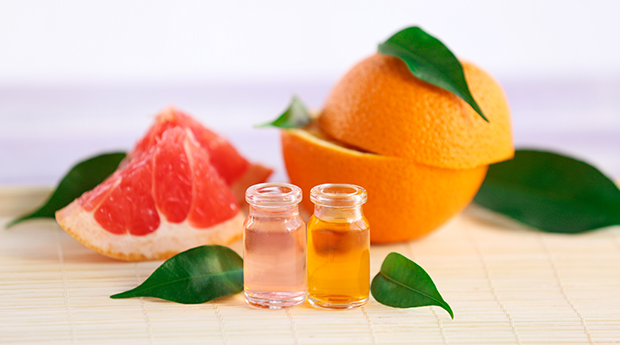
grapefruit-essential-oil

Long associated with dieting and weight loss, grapefruit has so much more going for it than that! Originally known as the “forbidden fruit of Barbados” when it was first described in the 18th century, grapefruit is packed full of nutrients and anti-cancer potential. Interestingly, grapefruit essential oil has even more healing applications than the slightly bitter fruit. In this article you will discover just how healing a single bottle of grapefruit essential oil can be.
Grapefruit (Citrus paradisi, or fruit of paradise) belongs to the Rutaceae (citrus) family of plants. The essential oil is mechanically cold pressed from the rind of the fruit. Grapefruit contains oil glands which are located much deeper in the peel than in other citrus fruits, and this makes it a bit more difficult to extract the oil. The oil yield is also far less than with other citrus fruit essential oils. These factors combined mean that grapefruit oil is a bit more expensive than lemon or orange. Grapefruit oil smells exactly like the fruit − fresh and zesty but also slightly bitter.

Historical Use of Grapefruit

Grapefruit has been used for hundreds of years for its many healing benefits. Our ancestors used it as an antiseptic wash for sore throats and for skin blemishes. It is well known as a dieter’s best friend for its ability to dissolve fat and cellulite. Being a natural diuretic, it assists the body in getting rid of excess water. In Ayurvedic medicine, grapefruit is a remedy for digestive problems as it stimulates the gall bladder, and assists in the secretion of bile. Grapefruit even helps to reduce depression with its light citrus aroma. It boosts immunity, is a potent antioxidant, soothes inflammation, increases metabolism, is a natural kidney, liver, and lymphatic cleanser, and helps to heal urinary tract infections and yeast overgrowth.

Grapefruit Oil and its Beneficial Phytochemicals

The most abundant phytochemical (all natural, plant-based chemical) in grapefruit essential oil is limonene, at about 88 to 95%. Limonene has a startling amount of research which indicates its usefulness against cancer and other diseases. Indeed, research has been carried out on limonene since the 1970s.
The phytochemical profile from grapefruit essential oil is rather impressive. All of these phytochemicals are backed by research indicating their usefulness for varied health conditions. Besides limonene, grapefruit oil also contains beta-myrcene, linalool, alpha-pinene, beta-caryophyllene, citronellol, farnesol and trace amounts of several other phytochemicals.

7 Ways Grapefruit Essential Oil Can Boost Your Health

Much research has been carried out on the healing properties of grapefruit essential oil, as well as the fruit. Here are some of the best research studies on the health and healing effects of grapefruit essential oil:

#1. Anti-Inflammatory

A number of studies make reference to the anti-inflammatory properties of grapefruit. One of the latest, a 2016 research study reported in the Pakistan Journal of Pharmaceutical Sciences, stated that the anti-inflammatory properties of grapefruit juice was helpful for the management of inflammatory bowel disease when given to animals. While that study was on grapefruit juice, what is in the juice is also in the essential oil!
A 2010 Chinese study found that limonene, the major phytochemical within grapefruit, had a number of inhibitory effects on several pro-inflammatory substances in the body.

#2. Anti-Cancer

A 2016 Egyptian study stated that grapefruit has a high polyphenol content. Polyphenols are active anti-cancer, antioxidant phytochemicals. These researchers also found that grapefruit was protective to genes and DNA, and has immune stimulating properties.
A 2014 study reported in Cancer Prevention Research by American and English researchers found that limonene had a positive effect on the breast tumors of early-stage breast cancer patients. Limonene caused a significant decrease in adrenal steroid hormones, important for those whose tumors are driven by estrogen, a hormone that is created, in part, in the adrenal gland. Limonene also decreased a protein known as cyclin D1, involved with the regulation of cells. Cyclin D1 is overexpressed in more than 50% of breast tumors.
In 2011, Canadian researchers studied the effects of apigenin, a flavone found in (amongst other foods) grapefruit, on four different breast cancer cell lines. They found that apigenin had the potential to slow or prevent breast cancer cell progression.
A 2012 mouse study undertaken by Mexican researchers examined pregnant mice given toxic levels of cadmium, followed by grapefruit. They discovered that the grapefruit conferred genotoxic protection, meaning it protected the DNA of the mice from the toxicity of cadmium. This may have applications for cancer prevention as well, since DNA damage is part of the process of carcinogenesis (generation of cancer). It is well known that all of the effects of carcinogenic (cancer causing) chemicals on the production of tumors can be accounted for by the DNA damage they cause. Much of this is from errors introduced into the DNA during the effort by cells to repair this damage.
An older 1996 study found that the flavonoid content of grapefruit inhibited cell proliferation (rapid growth) and development of mammary tumors in rats with triple negative breast cancer. This type of breast cancer is so named due to its lack of estrogen or progesterone receptors, or by the overexpression of the HER2 oncoprotein.

#3. Antiseptic, Antibacterial, Antifungal

2011 research published in International Journal of Food Science & Technologyfound that essential oil of grapefruit showed a wide spectrum of antimicrobial activity against some very nasty bugs. Tested were the following:
  • Staphylococcus aureus (golden staph), an opportunistic and virulent bug causing wide-ranging infections
  • Enterococcus faecalis, which causes intestinal flu
  • Staphylococcus epidermidis, a skin infection usually picked up in hospitals
  • Escherichia coli, which causes various infections and bloody diarrhea
  • Salmonella typhimurium, responsible for food poisoning and gastroenteritis
  • Serratia marcescens, which can cause infections in the urinary tract, respiratory tract, wounds, and the eye
  • Proteus vulgaris, which causes recurrent urinary tract infections
Grapefruit oil was able to inhibit all of these nasty bugs.
2009 research by German scientists investigating a number of essential oils found grapefruit oil to be effective against six strains of Staphylococci. These include Multi Resistant Staphylococcus Aureus (MRSA), four Streptococcus strains, and three Candida strains including Candida krusei. Researchers noted that “essential oils represent a cheap and effective antiseptic topical treatment option even for antibiotic-resistant strains as MRSA and antimycotic-resistant Candida species.”

#4. Weight Loss

Grapefruit has been used for decades for weight loss purposes. The “Grapefruit Diet” or Hollywood diet has been around since at least the 1930s and involves having a grapefruit or grapefruit juice along with each meal for 12 days. Does grapefruit really help with weight loss though? Several small studies would indicate it does…
Japanese research on rats and mice published in 2014 indicated grapefruit oil had a stimulatory effect on the sympathetic nervous system. The animals given grapefruit oil exhibited an increase in fat breakdown, increased body temperature (thermogenesis) and a decrease in food intake, all of which led to a loss of weight.
A randomized, controlled study on actual people, published in the Journal of Medicinal Food in 2006 by American researchers, found that consumption of fresh grapefruit did lead to weight loss. An average of 3.5 lbs (1.6 kg) was lost by study participants after 12 weeks. Insulin resistance was also improved for the participants.

#5. Reduces Blood Pressure

In 2009, Mexican researchers found that grapefruit extract and juice decreased blood pressure in those suffering from hypertension and also for normal, healthy patients.

#6. Reduces Cholesterol Levels

Pakistani researchers reported in 2016 the results of an animal study. The test subjects were fed both orange and grapefruit and subsequently showed “a highly significant” decline in cholesterol, LDL levels, and triglycerides, as well as a rise in HDL (the “good” cholesterol).
In addition, French researchers in 2012 discovered that naringin, a flavonoid from grapefruit, had a protective effect on the vascular systems of mice fed a high-fat diet. It reduced “bad” cholesterol concentrations, and even changed genes associated with atherosclerosis progression.

#7. Stress, Fatigue, Depression

Interesting 2015 research reported in Cancer Prevention Research found that limonene administration caused a significant decrease in adrenal steroid hormones. When a person is under stress, the adrenal glands produce large quantities of the steroid hormone cortisol. When cortisol is elevated for long periods of time, this has the potential to cause a variety of health complaints ranging from impaired immunity to chronic fatigue, sleep disturbances, and depression.
Grapefruit has been found to be useful for easing stress and lifting moods in other ways as well. Japanese researchers reported in 2001 that grapefruit essential oil inhibits an enzyme known as acetylcholinesterase (AChE). The role of AChE is to break down a neurotransmitter in the brain known as acetylcholine. Because grapefruit inhibits the enzyme AchE, this causes acetylcholine levels to rise, and its duration of action increases. This then results in mood improvement, less fatigue, decreased brain fog, less stress and depression.

Conflicting Information About Grapefruit and Estrogen

One 2007 American study done at the University of Hawaii found that eating grapefruit might increase the risk of breast cancer in postmenopausal women. Grapefruit contains something called coumarins and furanocoumarins. These substances can inhibit an intestinal enzyme known as cytochrome P450. This enzyme is involved with the breakdown and metabolism of estrogen in the body, and also many pharmaceutical drugs. Researchers found that eating one-quarter or more of a grapefruit per day was significantly associated with an increased risk of breast cancer.
To counter that research, however, a newer 2014 study undertaken by researchers at University of North Carolina at Greensboro found that naringenin, a flavanone (a type of flavonoid) found in grapefruit inhibited two breast tumor cell proliferation pathways in MCF-7 breast cancer cells. This line of cells is estrogen-receptor positive, progesterone-receptor positive, infiltrating ductal carcinoma (one of the most common types of breast cancer). Naringenin combined with the estrogen-blocking drug tamoxifen quite effectively impaired proliferation and induced apoptosis (programmed cell death) in tumor cells. So in this study, naringenin from grapefruit was beneficial for breast tumors and did not deactivate tamoxifen. In fact, naringenin helped tamoxifen perform its job of blocking estrogen.
What about grapefruit essential oil? Will it inhibit cytochrome P450 like grapefruit juice does? Keep reading!

The Grapefruit Juice Effect

The enzyme cytochrome P450 also plays a huge role in the breakdown of drugs in the body and it does this primarily in the intestines. Many drugs come with a warning that grapefruit juice should be avoided when taking these particular drugs for this very reason. Grapefruit is known to increase the bioavailability of more than 85 pharmaceutical drugs.
That MAY not be the case for grapefruit essential oil, however, because unless it is ingested, it does not pass through the intestinal tract. Grapefruit oil that is inhaled or applied to the skin would probably not affect the intestinal P450 enzyme system. Until more is known, however, if taking one of the drugs that advises grapefruit juice should be avoided − make sure not to take grapefruit oil internally by mouth, or avoid it altogether.

How Not to Get a Grapefruit Sunburn

Be aware that applying grapefruit essential oil to your skin and then going out into the sunlight might result in a sunburn. The furocoumarins in grapefruit can make it more susceptible to UV radiation. If applying grapefruit oil (or other citrus oils) to the skin, avoid sunlight exposure to those areas for 12 hours.

A Final Word of Caution When Using Grapefruit Essential Oil

It’s a very good idea if using essential oils for health improvement, to know where your essential oils come from. In particular ensure that the plant or fruit has not been sprayed with pesticides, or other harmful chemicals. Pesticide residue will concentrate in the rind of citrus fruit and since this is where the essential oil comes from, any essential oil from non-organic citrus fruit would be harmful rather than helpful. Please avoid any essential oils from companies that do not tell you how the fruit for their oils is grown. High quality organic essential oils are always your best bet!
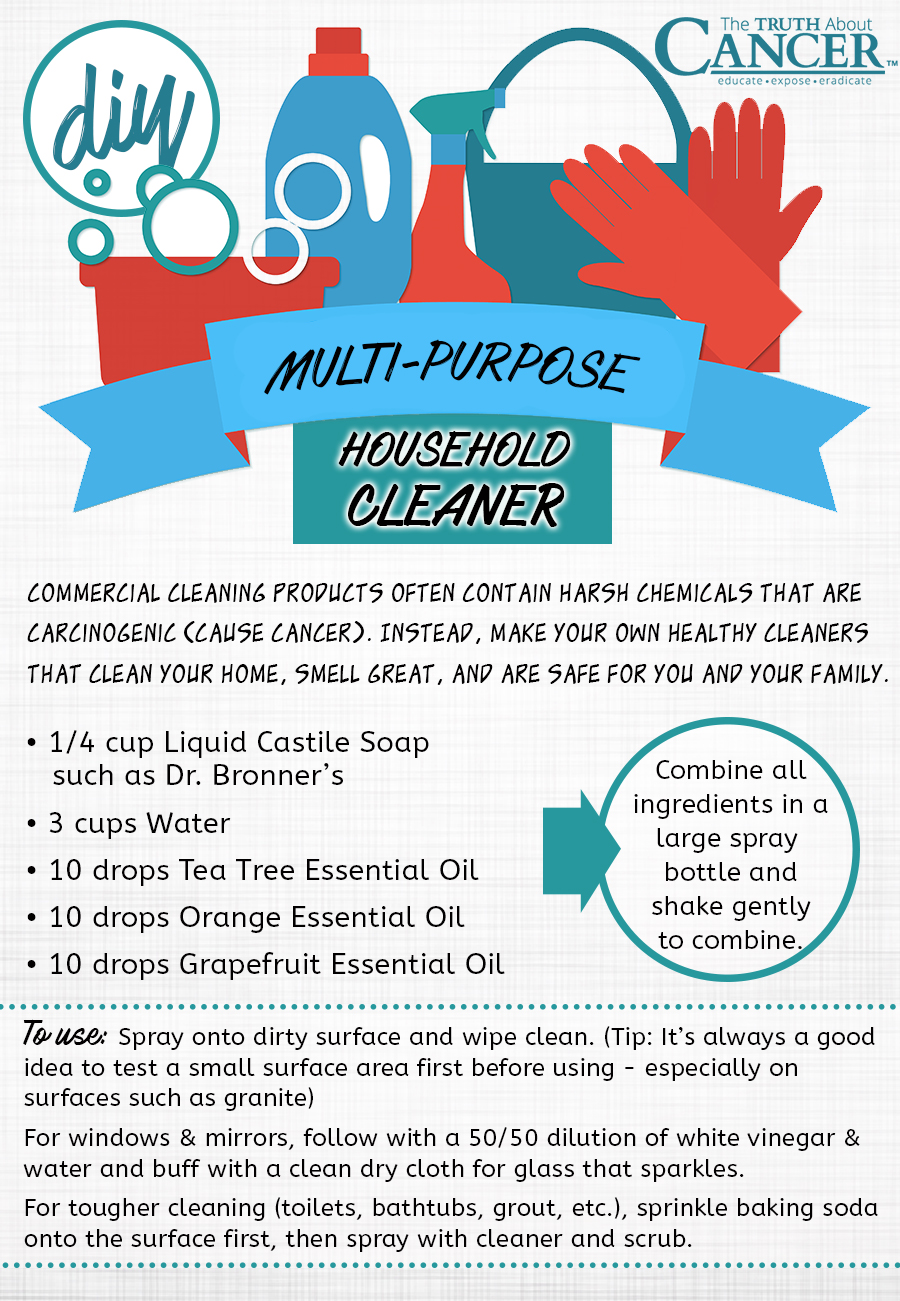
DYI-grapefruit-household-cleaner

[-] Sources and References

Thursday, 1 December 2016

Health Hack: 13 Uses for Apple Cider Vinegar

Health Hack: 13 Uses for Apple Cider Vinegar

Apple cider vinegar, or ACV for short, is an inexpensive cure-all of sorts. For something that sells for a few dollars in the corner grocery store, ACV has  a wealth of uses and health benefits.

Before we launch into all the ways this simple potion can improve your health, let’s be clear that I’m talking about raw, organic, unfiltered ACV. Raw ACV includes "the mother”—sediment that is filled with enzymes and gut-friendly bacteria. You can easily spot raw, unpasteurized ACV by its cloudy appearance.

Here are just a few of the ways you can use this useful liquid in your daily life.  ACV also moonlights as a helpful beauty product,  but we’ll save that topic for another day.

1. TAME TUMMY TROUBLES

ACV has a high pectin content, which can help treat diarrhea by forming bulk fibrous matter in the gut. In layman's terms, let's just say it firms things up. The pectin also forms a protective coat in the gut that soothes the colon lining and relaxes intestinal spasms. Try mixing one or two tablespoons into water or clear juice like apple juice.

2. HICCUP HELP

ACV can be a great solution for hiccups. It restores the acid balance in the stomach and eases irritating spasms of the diaphragm. A 13-year-old even created an apple cider vinegar and sugar lollipop to stop hiccups.

3. SORE THROAT SOOTHING

Turn to ACV at the first sign of a tickle in your throat. Most germs can’t survive in the acidic environment vinegar creates. Gargle with equal parts ACV and warm water every hour, or try this Apple Pie Tonic Recipe.

4. EXHAUSTION RELIEF

Exercise and extreme stress can cause lactic acid to build up in the body, causing fatigue. Apple cider vinegar contains potassium and enzymes that can relieve that tired feeling. Next time you’re feeling exhausted, try downing 1 to 2 tablespoons of the stuff diluted in juice or water.

5. RELAXES NIGHTTIME LEG CRAMPS

ACV taken diluted in water twice a day can dissolve acid crystals in the blood and provide potassium, calcium and other essential minerals that the body needs to ease leg cramps.

6. BANISHES BAD BREATH

If you suffer from halitosis, ACV might be the remedy for you. It's acidic properties will break down the bacteria causing your bad breath. Simply add 1/2 tablespoon of ACV into a cup of water and gargle the mixture in your mouth for 10 seconds at a time until the cup is empty.

7. CONTROLS BLOOD SUGAR

Apple cider vinegar has an anti-glycemic effect that improves insulin sensitivity, which is essential to maintaining healthy sugar levels in your blood. Mix one teaspoon of ACV in a glass of filtered water and take 3 times a day to steady your stomach’s rate of digestion, which in turn will keep blood sugar levels more consistent. Of course, if you are diabetic, consult your physician before trying any new remedies.

8. BOOSTS WEIGHT LOSS

Some people claim that ACV promotes weight loss by speeding up the metabolism. The acetic acid also suppresses your appetite, and reduces water retention. If you drink a glass of water with 1 or 2 tablespoons of apple cider vinegar before your meals, the insoluble fiber could help you feel full with less food. The fiber will also decrease the likelihood of you binging on unhealthy foods between meals. One hormone that is particularly important for weight loss is growth hormone. Growth hormone is instrumental in the breakdown of fat cells. The acid in apple cider vinegar can help your body break down the protein you eat into amino acids. This will help increase the availability of amino acids to create more growth hormone.  Mix 2 teaspoons of the vinegar into a glass of water and drink this before every meal or sip it slowly throughout the day.

9. MAKES IRON MORE BIOAVAILABLE

The acid found in apple cider vinegar helps release iron from food so that your body can use it.

10. LOWERS CHOLESTEROL

Some research has suggested that apple cider vinegar can improve the lipid profile of blood by decreasing the levels of triglycerides and low-density lipoprotein cholesterol (LDL-C) or bad cholesterol and by increasing the levels of high-density lipoprotein cholesterol (HDL-C) or good cholesterol. If you have high cholesterol, consult your physician before starting any new protocol.

11. NATURAL LIVER DETOX

ACV can help stimulate cardiovascular circulation and help detoxify the liver.

12. SUPPORTS THE LYMPHATIC SYSTEM

Apple Cider Vinegar helps break up mucous throughout the body and cleanse the lymph nodes.

13. CANDIDA CONTROL

This vinegar is rich in natural enzymes that can help rid your body of candida, yeasts that are attributed to thrush and a host of other ailments.
Who knew there could be many benefits to one simple product? An easy way to include apple cider vinegar in your daily diet is by using it in salad dressings, or even simply mixing a tablespoon or two in some water that you can use to take your daily supplements.

Photo credit: Alicia Cho

Saturday, 19 November 2016

How To Cook With Fats


Great information about eating and cooking with healthy fats. Mark Hyman talks about polyunsaturated, saturated and trans fats and how they affect inflammation, cholesterol and heart disease. This is a must watch!

Thursday, 13 October 2016

Sugar Hides Under Many Different Names on Food Labels

By Dr. Mercola
Your body gets all the sugar it needs from natural sources in fruits and vegetables. When combined with additional fiber, vitamins and minerals, natural sugar is processed slightly differently than added refined white sugar or the myriad of other names the industry is using to disguise sugar in your food.
Avoiding foods laced with sugar is easier said than done, unless you have switched to a diet of almost exclusively whole foods. Many processed foods come with the addition of sweetener to tempt your palate.
Sugar is one of the most damaging substances to your body and can trigger an addiction that’s hard to break. This addiction is rampant in adults and children alike, and is planned for by manufacturers through defining a specific “bliss point” for their products that brings customers back for more.1
This scientific calculation of ingredients designed to make you crave their product may also be your downfall. The truth the junk food industry doesn’t want you to know is that sugar has significant and deadly effects on your health. Unfortunately, you may not always know what you’re eating.

The Food Label May Not List Sugar

In 1812, people ate approximately 45 grams of sugar every five days.2 That’s about the amount in one can of soda. By 2012, most Americans were consuming sugar to the equivalent of 17 cans of soda every five days.
That’s a huge jump! Unfortunately, not everyone recognizes they’re eating that much sugar, as it hides under names you may not know.
The new Dietary Guidelines for Americans put out by the U.S. Department of Agriculture (USDA) and the U.S. Department of Health and Human Services (DHHS) limit the amount of sugar to 10 percent of your total daily calories.3
For a 2,000 calorie diet this amounts to 10 to 12 teaspoons, or just over the amount in one 12-ounce can of regular Coke. But even this amount can trigger health problems.
The National Cancer Institute estimates the average American consumes approximately 15 teaspoons of added sugar each day.4 You may recognize your cake, candy or sweet treat is loaded with sugar, but may not think about your condiments, salad dressings, canned foods and drinks other than sodas.
For instance, just 2 tablespoons of barbeque sauce has 10 grams (5 teaspoons) of sugar.5
If you’ve been reading food labels to help limit foods that contain sugar, you might not recognize all the names manufacturers are using. Sugar, sucrose and fructose are fairly recognizable. However, did you know Dextran, Ethyl Maltol and Panela are also sugars used to sweeten your foods?
Food companies may also claim their product has no “refined sugar.” This means the product doesn’t contain white sugar, but it doesn’t mean it has no sugar.
There are no current studies that support the use of other types of reportedly “healthier” sweeteners as added sugar when you’re already eating too much sugar in the first place.
These products may be labeled as “healthier” as they originate from plant or animal sources, such as honey or fruit. But, adding sugar to products that in turn boost your daily intake of added sugar only increases your overall risk of damage to your health.

The Many Names for Sugar

With greater media attention and consumer demand, some companies are beginning to make changes. For instance, Yoplait recently reduced their sugar content in their popular strawberry yogurt from 26 grams — one gram less than a Snickers bar6 — to 18 grams.7
There are different types of dry and syrup sugars that may go unnoticed as you read the labels. Here’s a list of some of the more common sugars. However, there are more names for sugar than are listed here.
Also remember that food labels list ingredients in order of their appearance in the product. There is more of the first ingredient than the second and so forth. This means that although sugar may appear in the fourth position of the product label you’re reading, it may not be the fourth largest ingredient overall.
If a different type of sugar is listed in the sixth, eighth and tenth positions, the combined total may put sugar in the second position.
This list doesn’t contain the names of sugars that include the word “sugar,” such as beet sugar or date sugar. You’ll notice that some of these sugars end with the word “syrup” or with an “ose” at the end of the word, such as galactose or fructose, also indicating they are sugars.8
Blackstrap molasses
Buttered syrup
Cane juice crystals
Evaporated cane juice
Caramel
Carob syrup
Fruit juice
Honey
Fruit juice concentrate
Brown rice syrup
Corn syrup solids
Florida crystals
Golden syrup
Maple syrup
Molasses
Refiner’s syrup
Sorghum syrup
Sucanat
Treacle
Turbinado
Barley malt
Corn syrup
Dextrin
Dextrose
Diastatic malt
Ethyl maltol
Glucose
Glucose solids
Lactose
Malt syrup
Maltose
D-ribose
Rice syrup
Galactose
Maltodextrin
Castor

Liquid Sugar Is Even More Dangerous

Added sugar in any form is dangerous to your health, but a liquid form may be the worst for a couple of reasons. Although the type of sugar may not be too different, the product it is added to may make a difference in the way your body metabolizes the calories and how satisfied you feel by those calories.
Any liquids you consume with added sugar fit this description. Although fruit juices are sometimes marketed as healthier choices, they often contain the same amount of sugar as other sugary drinks.
They have the added disadvantage of having the pectin or fiber removed, which is found naturally in the fruit. Fiber is what helps offset the effect of sugar in your body.
Researchers have found that fruit juice may have the same negative effects on your body as other drinks with added sugar.9 Drinking your calories also doesn’t give you the same feeling of satisfaction as eating solid foods, leading to greater caloric intake to feel satisfied and full.10,11 
Even when caloric consumption is controlled, drinking a high amount of sugars may lead to an increase in the amount of body fat you carry.12
In a 10-week study using participants who were overweight or obese, researchers found that giving them 25 percent of their calories as liquid, while controlling overall caloric intake, led to a decreased insulin sensitivity and increase in belly fat.
If you want to switch beverages, be wary of picking up bottles of prepackaged iced tea or flavored waters. Your best options are to replace liquid calories with clean, fresh water. You may choose to flavor with a wedge of fresh lime or lemon. Brew your own iced tea at home with lemon to reduce your intake of added sugars.

The Type Also Matters

For several years the corn industry used advertising to convince consumers that eating high-fructose corn syrup (HFCS) was no different than eating any other type of sugar. But, as media attention to research grew, consumers became wise to the idea that HFCS was not the healthy alternative manufacturers were claiming.
The same is true for fructose. Your body can easily metabolize and use glucose, but fructose is only metabolized in your liver.13 This increases your risk of dyslipidemia (abnormal cholesterol and lipid levels) and insulin resistance.
High amounts of fructose in your diet have been linked to metabolic syndrome, type 2 diabetes, fatty liver, kidney disease, cardiovascular disease and insulin resistance.14,15,16 Although limiting your overall sugar intake is important, tracking the amount of fructose you eat and limiting it to 25 grams or less a day is also key to your health.
Agave nectar is marketed as a healthier choice among sweeteners, but is between 70 and 90 percent fructose.17 Knowledge of the research and health effects of fructose is important if you want to be as healthy as possible. Your best chance of making permanent health changes come when you have a good understanding and belief about why you’re making the change.
To learn more about the effects of fructose on your body and how you metabolize it see my previous article, “Sugar May Be Bad, but This Sweetener Called Fructose Is Far More Deadly.”

Whom Do You Believe?

The food industry works hard to ensure any information you hear reflects well on their products. To this end they have gone to great lengths to hire “experts” who support the industry and communicate evidence in a way that bolsters the manufacturer’s use of specific ingredients. Dr. David Katz is one such person.
Katz is a prolific writer and contributor to several news outlets as well as a paid industry expert. He grew in popularity through his prolific writing and frequent appearance on the news, and not through scientific research breakthroughs or work in public health.
He has become an expert at developing a story so the company he currently represents receives positive attention. This is nothing new in the realm of lobbyists and persuasive debaters. What is new is the way he has positioned himself to become an expert, while continuing to change his position over time as the company he represents also changes.
For instance, in the 2012 lawsuit against Chobani for using “evaporated cane juice” to boost sugar content in their yogurt, Katz agreed the food industry may deceive consumers, but failed to agree to a comparison to the tobacco industry saying:18
“With tobacco the product is just bad and we can eradicate it. No one needs to smoke. But we’re not going to eradicate food.”
While he may be correct in the assumption no one needs cigarettes, I believe no one needs added sugar in their food either. Later it was revealed Chobani had paid him $3,500 per hour as an expert witness.19 Just three years later, he contradicted his statements when Kind Snacks was funding his expertise.

Cancer Has a Sweet Tooth

Katz also managed to secure funding to the tune of $731,000 from The Hershey Company to research the health benefits of chocolate,20 striving to improve Hershey’s image in an environment where media is more rapidly focusing on the poor health outcomes from junk food and sugar. This conflict of interest was not mentioned in a subsequent published study for the National Institutes of Health Clinical Trials database evaluating the health benefits of chocolate.21
You aren’t the only one who enjoys sugar. Cancer cells also thrive on sugar. A prospective study looked at nearly 78,000 men and women who had no previous history of diabetes or cancer.
Over a mean follow-up period of a little over 7 years, researchers found a statistically significant number who consumed high amounts of sugar developed pancreatic cancer. They said:22 “The consumption of added sugar, soft drinks and sweetened fruit soups or stewed fruit was positively associated with the risk of pancreatic cancer.”
While this demonstrated an increased risk of some cancers when your consumption of sugar is high, other research into the function of cancer cell mitochondria tells us these cells thrive on sugar and don’t burn other fuel as effectively.23 Recent research has demonstrated cancer cells rely on sugar to maintain cell function.24

Crush Your Sugar Addiction

Sugar causes very real damage to your body and cells, and the addiction to the substance is also very real. There are several strategies you can use to reduce or eliminate your intake of added sugars, while still enjoying your meals and feeling satisfied after eating.
Knowledge Is Power
Making permanent changes to your lifestyle and nutritional choices is easier when you know the why behind the change. You can see a quick list of the 76 different ways sugar negatively impacts your health in my previous article titled, “The Truth About Sugar Addiction.”
Reduce Your Net Carbs
Sugar is metabolized as a carbohydrate in your body, spiking your blood sugar and insulin levels. Your net carbs are calculated by taking the total grams of carbs and subtracting the total grams of fiber. By keeping your net carbs below 100 grams per day, and for a healthier diet as low as 50 grams per day, you will reduce your cravings for sweets.
Eat Real Food
If a food is boxed, canned or bottled, it’s likely also been processed and may include added sugar. Whole, organic and non-genetically engineered (GE) foods provide your body with the nutrition you need to function optimally and natural sugars bound to fiber that reduces your net carbs.
Read Labels
On processed foods you do purchase, scour the label for ingredients that represent sugar to evaluate the total amount. The less sugar you eat, the less you’ll crave.
Use Safe Sweeteners
You may be tempted to reach for the sugar-free dessert option, but unless that’s a piece of whole fruit, you’re likely eating a sugar substitute. Not all substitutes are created equally. There are significant health risks to using sugar substitutes such as aspartame, but there is one that is on the shelf in my kitchen. Stevia is a liquid sweetener I use in my recipes that is safe and effective.
Lo Han Guo (also spelled Luo Han Kuo) is another alternative. It's completely safe in its natural form and can be used to sweeten most dishes and drinks. A third alternative is to use pure glucose (dextrose).
It is only 70 percent as sweet as sucrose, so you'll end up using a bit more of it for the same amount of sweetness, making it slightly more expensive than regular sugar — but still well worth it for your health as it does not contain any fructose whatsoever.
Contrary to fructose, glucose can be used directly by every cell in your body and as such is a far safer sugar alternative. It will however raise your net carb intake.
Reduce the Sugar You Add Gradually
If going cold turkey hasn’t worked for you in the past, try slowly reducing the amount of sugar you add to your drinks. This helps give your taste buds time to adjust to drinking your favorite tea or coffee without the added sweetener.
Increase Your Healthy Fat Intake at Meals
Fat increases your satisfaction with meals and your food, reducing your craving for something sweet afterward. Avocados, coconut oil, nuts and seeds increase your healthy fat content, fill you up and reduce your sweet cravings.
Include Fermented Foods in Your Nutrition Plan
Fermented foods support your digestive health and improve your gut microbiome. The sour taste naturally helps reduce your sweet cravings.
Try Turbo Tapping
Emotional and stress eating is not uncommon. Using Emotional Freedom Techniques (EFT) you can address your stress levels and the discomfort you may feel from giving up junk foods in your diet. Turbo tapping is a form of EFT designed specifically for sugar addiction and is well worth a try if you’re struggling to give up soda and other sweets.
[-] Sources and References

 Source: http://articles.mercola.com/sites/articles/archive/2016/10/12/other-names-for-sugar.aspx